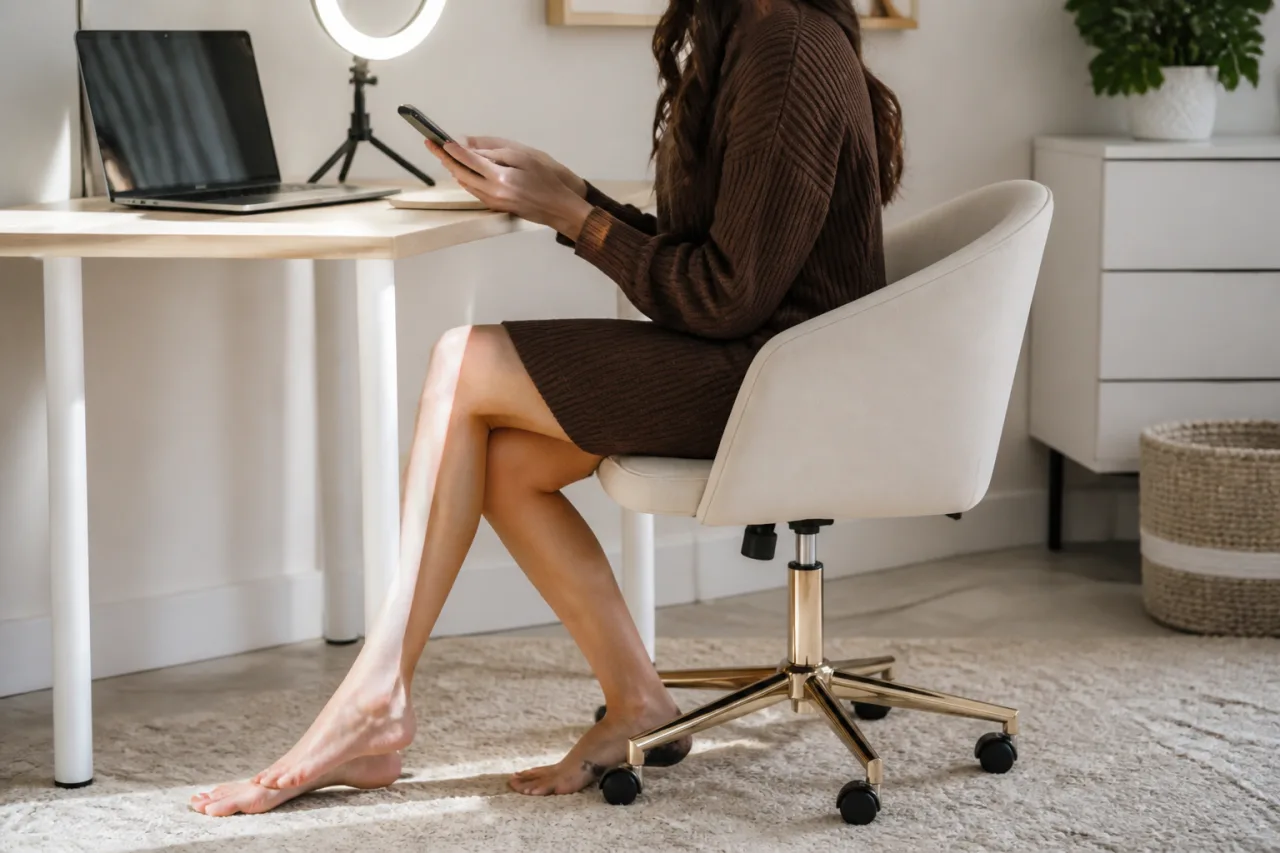
Yes—adults can generally sell ordinary photos of their own feet. But “generally” matters: age, consent, local law, the way a photo is presented and even where it was taken can change the answer fast. A legal image may also break a marketplace’s content rules or a payment provider’s terms.
Here’s what you need to know before uploading to Feetpik or accepting a custom request. We’ll cover the legal grey areas, copyright, taxes and the privacy steps that actually help—like removing photo metadata and keeping payments on-platform. Feetpik lets sellers remain anonymous to buyers, though identity checks may still be required behind the scenes. This guide offers general information, not legal advice; if a request feels questionable, pause and check the law where you live.
Is It Legal to Sell Feet Pics?
Yes. Adults can generally create and sell ordinary photos of their own feet. The legal answer can change, however, based on the seller’s age, everyone’s consent, how the image is presented, what a buyer requests and the laws that apply to the transaction.
A straightforward photo of bare feet isn’t automatically illegal or even legally classified as adult content. Context matters. A casual pedicure photo and an explicitly sexual custom set may be treated differently under local obscenity, indecency or online-content laws, even though both show the same body part.
This guide provides general information, not legal advice. If a request seems questionable or you’re unsure how your local laws apply, speak with a qualified lawyer before creating or delivering the content.
Legal does not always mean platform-approved
Here’s the thing: a lawful image can still break the rules of a marketplace, social network or payment provider. Private companies are allowed to set narrower content standards than the law requires.
For example, a social network may permit a non-sexual foot-care post but remove the same photo when it includes fetish-focused captions or a sales link. A payment processor might also prohibit certain adult-oriented transactions even when the underlying content is legal where the seller lives.
Breaking those rules isn’t necessarily a crime, but the consequences can still hurt. Your post may be removed, your account could be suspended and pending funds may be delayed or returned. Trying to disguise a prohibited transaction can create additional problems under the provider’s user agreement.
Read the current rules rather than relying on advice from an old forum thread or a creator who uses another service. Policies change, and separate rules may apply to profile photos, private messages, custom requests and promotional posts.
Your location and the buyer's location both matter
Online sales can cross borders in seconds. You might upload a set from Florida, sell it through a company registered elsewhere and deliver it to a buyer in the UK. More than one jurisdiction may have a connection to that sale.
Laws differ on sexually suggestive content, obscenity, online age restrictions, advertising and digital transactions. Content that’s permitted in your state or country may be restricted where the buyer receives it. Some services therefore block particular regions or limit what users there can purchase.
Don’t assume a buyer saying “it’s legal here” settles the issue. Buyers may be mistaken about their own laws, and they can’t give you permission to ignore yours. Likewise, choosing a platform based abroad doesn’t cancel legal duties that apply where you live or create the content.
If you’re selling internationally, check which countries the platform supports and whether it restricts delivery to certain locations. For an unusual custom request, a high-value sale or anything that appears close to a legal boundary, pause first. A short consultation with a local lawyer is cheaper than guessing.
Age and Consent Are Non-Negotiable
You should be at least 18 before selling feet pictures. Use an adult-only platform that checks sellers’ ages rather than relying on a tick box or a buyer’s promise that “it’s fine.” Those safeguards protect you as well as the marketplace.
Age rules become especially serious when an image is sexualized. A photo involving anyone under 18 may create criminal risk even if it shows only feet, contains no nudity or was taken and submitted by the young person pictured. Authorities can consider the pose, clothing, captions, surrounding conversation and intended use—not just the visible body part.
Never create or sell sexualized content involving a minor
Don’t photograph, upload, purchase, request or distribute sexualized feet content involving someone under 18. A minor’s agreement doesn’t make it lawful, and neither does permission from a parent, partner or buyer.
“They took the picture themselves” isn’t a safe exception either. In some jurisdictions, a self-produced image can still be treated as illegal sexual material involving a child once it’s possessed, sent or sold. The possible consequences include investigation, device seizure, criminal charges and sex-offender registration.
If someone sends you suspected illegal material, don’t download it, save a copy as “evidence” or forward it to a friend. Stop the conversation and use the platform’s reporting process. Seek advice from a lawyer or the appropriate local reporting authority if you’re unsure what to do.
Get clear permission from every person shown
Every identifiable person in a shoot must be an adult and must freely agree to being photographed and to the planned commercial use. That includes a partner whose hands, legs, voice, reflection or distinctive tattoos appear in the content.
For collaborations, confirm age through reliable identification and record consent in writing before shooting. The agreement should state what will be shown, where the images may be sold and whether the collaborator can withdraw permission before publication. Store identity records securely; they contain information that could cause real harm if leaked.
Consent to take a photo isn’t automatically consent to sell it. Consent can’t be assumed from a relationship, previous shoot or casual text such as “sure, whatever.” If the person seems hesitant, intoxicated, pressured or unable to understand the arrangement, stop.
Watch for coercive or suspicious requests
Decline requests involving age-play, claims that a model is “almost 18,” school-themed sexual scenarios or instructions to make an adult appear underage. Don’t let extra money blur the boundary. A $500 custom order isn’t worth accepting a request that could expose someone to harm or put you under investigation.
Be wary when a buyer asks you to recruit a younger sibling, hide another person’s involvement or move the discussion to an encrypted app immediately. Keep the messages on-platform, don’t open unsolicited files, and report the account.
Coercion can be subtle. If a collaborator is being directed by a controlling partner, appears frightened or isn’t allowed to speak for themselves, don’t proceed. When there’s an immediate safety concern, contact the appropriate local emergency service rather than confronting the suspected abuser yourself.
When Feet Photos Can Cross a Legal Line
A straightforward photo of an adult’s bare feet isn’t automatically pornography or adult content. In most places, it’s simply an image of a body part. The legal risk changes when the pose, accompanying material, location or buyer instructions add a sexual, threatening or non-consensual element.
The setting and caption can change the context
Classification depends on the complete presentation, not just what appears in the frame. A neutral pedicure photo and the same photo paired with an explicitly sexual caption may be treated differently by local law, a court or a content moderator.
Obscenity laws vary widely and generally consider factors beyond nudity alone, including sexual conduct, community standards and whether the material has serious artistic or other value. Ordinary feet pictures rarely meet that threshold by themselves. Explicit bodily fluids, sexual acts or illegal themes can move a set into a very different category, however, and simply cropping the image to show feet won’t necessarily change that.
Captions and direct messages matter too. Repeatedly sending fetish content to someone who hasn’t requested it may amount to harassment, especially after they’ve told the sender to stop. Threats, blackmail and demands for money in exchange for keeping an image private can carry much more serious consequences than the original photo.
Public and private locations have different rules
Taking a shoe-off photo on a park bench is unlikely to be public indecency. Performing an explicit act for the camera in that same park could be, even if the final crop shows only feet. What happened during the shoot matters—not merely what was uploaded afterward.
Check local rules before shooting in beaches, changing areas, hotels, shops or workplaces. A privately owned venue can ban commercial photography or require permission even when the pose itself is legal. Tripods, lighting equipment and paid shoots may also trigger permit requirements that don’t apply to an ordinary phone snapshot.
Be careful about people caught in the background. Secretly photographing someone’s feet where they reasonably expect privacy, such as beneath a changing-room partition, can breach voyeurism or privacy laws. Posting identifiable bystanders without permission can create additional problems, particularly if the caption sexualizes or falsely describes them.
Custom requests still require boundaries
A buyer’s payment doesn’t make every request lawful. Decline customs involving hidden cameras, trespassing, stalking, public sexual conduct, threats, controlled substances, violence or images taken from another person without their knowledge. Don’t let phrases such as “no face shown” or “just pretend” override common sense.
Read the full request before accepting money, and keep the wording in the platform’s message history. If instructions are vague, ask exactly what props, setting and actions are expected. Stop the conversation if a buyer keeps pushing past a refusal or tries to move an unlawful request into disappearing messages.
Local definitions differ, so an unusual request that feels legally questionable deserves a pause. Declining one sale is far cheaper than testing an obscenity, privacy or public-indecency law the hard way.
Platform Rules and Payment Policies Matter
Before posting your first listing, review Feetpik’s current seller terms, content standards, age requirements, payout policy and prohibited-content list. Don’t rely on a screenshot from social media or advice posted six months ago. Platform rules can change as laws, banking requirements and payment-provider policies change.
Use the policy links provided on Feetpik’s website or in your account, and check the “last updated” date where available. Save a copy of the terms you accepted, especially any sections covering fees, refunds, account suspension and ownership of uploaded content.
Read the rules before accepting custom work
A standard listing may be permitted while a buyer’s custom instructions aren’t. Before agreeing, compare the exact request with Feetpik’s content standards and prohibited-content list. Pay attention to rules covering nudity, bodily fluids, dangerous acts, hateful material, coercion, third-party appearances and anything suggesting that a person is under 18.
Don’t assume vague wording makes a questionable request acceptable. If a buyer asks you to “make it look younger,” include another person or stage something risky, pause and check the policy before creating anything. Ask Feetpik support for clarification when the wording isn’t clear, and keep their response with your order records.
Also check whether custom content must be described accurately in the listing or order chat. A buyer’s payment doesn’t override the platform’s rules, and “they requested it” won’t protect your account if the upload is prohibited.
Keep payments on the approved system
Read the payout policy before setting your prices. Confirm which payment methods are supported, what fees apply, how long funds remain pending and whether there’s a minimum withdrawal amount. You should also know how refunds, disputes, failed payouts and chargebacks are handled.
Use Feetpik’s approved checkout and payout process rather than moving a transaction to a cash app, gift card or cryptocurrency wallet. Off-platform payment can remove the order trail and any seller protections available through the marketplace. It may also breach the seller terms, even when the buyer sounds genuine.
Expect legitimate identity checks
Being anonymous to buyers doesn’t mean being anonymous to Feetpik or its payment partners. Your public profile may use a seller name and avoid displaying your legal identity, while the companies processing the transaction may still need your real name, date of birth, address and government-issued identification.
Depending on your country and earnings, you may also be asked for a tax number or other taxpayer information. These checks help verify age, prevent fraud and satisfy financial regulations. Enter accurate details through the platform’s official verification flow—never send ID to a buyer or through an unverified link.
If your seller name, bank-account name and verification documents don’t match, payouts may be delayed while the discrepancy is reviewed. Check the requirements early rather than discovering the problem after your first sale.
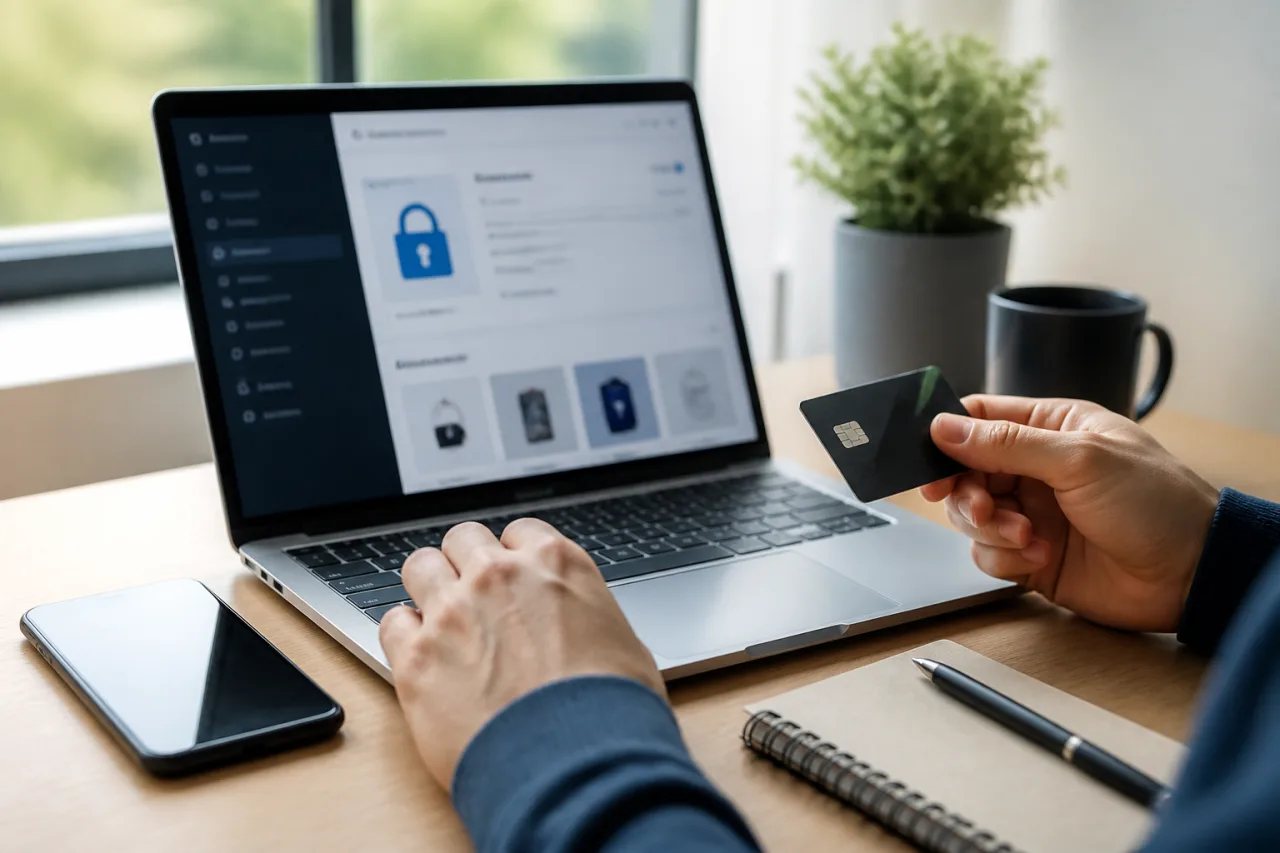
Who Owns a Feet Picture After It Is Sold?
Payment for a photo doesn’t usually transfer ownership of the copyright. In most cases, the photographer keeps that copyright, while the buyer receives permission to use the image in a specific way. The exact rights depend on the listing description, platform terms and any separate agreement between the parties.
Selling a copy is not automatically selling copyright
Copyright generally belongs to the person who took the photo. If you set up the shot and press the shutter yourself, that’s normally you. If a friend or professional photographer takes it, they may own the copyright—even though the feet pictured are yours—unless your agreement says otherwise.
A buyer who pays $20 for a download typically owns that downloaded copy, not the underlying image rights. They can view or save it as permitted, but they don’t automatically gain the right to repost it, sell copies, use it in advertising or claim they created it.
Transferring copyright is a much bigger deal and usually requires a clear written assignment. Don’t casually promise “full rights” or “ownership” in a message unless you understand what you’re giving away and have priced the sale accordingly.
Use clear license terms
Your listing should say what the buyer may and may not do. A simple personal-use license might allow private viewing and prohibit public posting, redistribution, resale, editing, commercial use and removal of watermarks.
- Personal use: The buyer may keep and privately view the file.
- Commercial use: The image may be used to promote or sell something, subject to stated limits.
- Exclusive use: You agree not to license the same image to others for a defined period or purpose.
Keep the original file, dated listing, messages and payment record. If someone reposts your work without permission, you may be able to report the account, use the website’s copyright form or send a formal takedown notice. Reverse-image searches can help locate copies.
Watermarks discourage casual theft, especially on previews, but they aren’t foolproof. Once a full-resolution file is delivered, it can be copied, cropped or shared in seconds. Legal rights give you enforcement options; they don’t give you perfect technical control.
Avoid logos, artwork and private property issues
Check the whole frame before selling it commercially. A designer logo on a sock, copyrighted poster on the wall or recognizable artwork may create extra rights questions, particularly if the image suggests brand endorsement or the artwork is a major part of the composition.
Private property can bring separate complications. A hotel, gym, studio or rented home may restrict commercial photography under its booking terms, even if taking the photo itself isn’t illegal. Use a plain background when possible, and get written permission before featuring someone else’s distinctive interior, artwork or branded products prominently.
Do You Have to Pay Taxes on Feet Pic Income?
Generally, yes. Money earned from selling digital photos is usually taxable income, even if you only make a few sales, receive payment through an app or never get a tax form. A missing form doesn’t make the income tax-free; it may simply mean you didn’t meet the payment processor’s reporting threshold.
Tax treatment depends on where you live and how regularly you sell. Occasional income may be classified differently from ongoing self-employment or business income, but it still often needs to appear on your return. Don’t assume that a small side income is automatically exempt.
Track gross sales, fees and refunds
Keep a simple spreadsheet showing each sale date, the amount the buyer paid, platform or processing fees, refunds and the amount deposited into your account. Record gross sales, not just the payout. For example, if a buyer pays $30 and the platform keeps a $6 fee, your records should show both figures rather than recording only the $24 deposit.
Download monthly statements and payout reports before they disappear from your dashboard. Keep copies of relevant invoices, transaction IDs and tax forms too. In many countries, tax records should be retained for several years; the exact period varies, so check the rule where you file.
If this income is more than a one-off experiment, consider moving a percentage of every payout into a separate savings account. Depending on your total income and local rules, you may need to make quarterly or other periodic estimated tax payments rather than waiting until your annual return is due.
Save receipts for legitimate expenses
Ordinary, necessary costs connected to selling photos may be deductible against business income. Possible examples include platform commissions, payment-processing fees, lighting, backdrops, props, editing software, advertising and the business-use portion of a phone or internet plan.
Be conservative. A pedicure purchased specifically for a scheduled shoot may be arguable in some jurisdictions, while everyday grooming, regular shoes and personal clothing are often harder to justify. Mixed-use purchases may need to be divided between business and personal use. Save itemized receipts and note the business purpose while you still remember it.
Check local registration and sales-tax rules
Income tax isn’t the only issue. Your city, state, province or country may require a business registration, self-employment filing or local license once you begin selling regularly.
Sales tax, GST and VAT on digital photos can get messy because the rules may depend on the seller’s location, the buyer’s location and how the product is classified. A platform may collect and remit these taxes, but don’t assume it does—check its current documentation and your transaction reports.
Ask a local tax professional for help if sales are becoming regular, you’re selling across borders, you’ve missed estimated payments or you can’t tell which expenses are deductible. A short appointment is usually cheaper than correcting several years of inaccurate returns.
How to Sell Anonymously Without Breaking the Rules
You can keep your legal name hidden from buyers without hiding it from everyone. That distinction matters. Feetpik, its payment partners and tax authorities may need accurate identity information, even when customers see only a seller alias.
Think in terms of controlled privacy, not perfect anonymity. Once someone receives a digital file, they can screenshot it, copy it or share it elsewhere. Good privacy habits reduce exposure, but no platform or technical setting can guarantee that an image will remain private forever.
Separate your seller identity
Create a seller name that you've never used on personal social media, gaming accounts or public forums. Before committing to it, search the name in Google and on major social platforms. An old profile attached to the same username can connect the dots surprisingly quickly.
Use a new email address and a separate browser profile for seller activity. Don't reuse your personal profile photo, bio wording or passwords. Turn on two-factor authentication with an authenticator app rather than relying only on text messages.
If you promote your listings elsewhere, make dedicated accounts and keep them disconnected from your personal contacts. Avoid syncing your address book or allowing an app to suggest your account to people who have your phone number.
Remove identifying details and metadata
Check every photo at full size before uploading. Look for faces in mirrors, distinctive tattoos, mail labels, house numbers, workplace badges and reflections in glossy furniture. Even a recognizable view from a window can reveal more than intended.
Image files may also contain EXIF metadata, including the device model, date and—in some cases—GPS coordinates. Disable location tagging in your camera settings, then remove metadata from the final export. On a computer, inspect the file's properties before uploading rather than assuming an editing app stripped everything.
Rename files too. A filename such as Emma_Smith_iPhone_0426.jpg defeats the purpose of using an alias. Use something neutral, such as set-014-photo-03.jpg. If you add a watermark, use your seller handle, never your real name or personal email address.
Protect your contact and payout information
Keep messages and payments inside the platform whenever possible. Giving a buyer your personal PayPal address, phone number or payment handle may expose your legal name immediately. It also removes some of the account controls and transaction records available on-platform.
Provide truthful details during identity, banking and tax verification. Using a fake name, borrowed tax number or someone else's payout account can freeze funds and create legal trouble. Public anonymity isn't permission to mislead the companies processing the transaction.
For added separation, consider a dedicated bank account and a low-cost business phone number. A PO box or legitimate virtual mailbox can help if you ever need a mailing address, but check local rules first. Forming a company isn't an automatic privacy shield either; ownership records are public in some jurisdictions.
Common Legal and Safety Mistakes to Avoid
Mistaking a payment screenshot for cleared funds
A buyer offers $80 for a custom set, asks to move the conversation to Telegram and sends a convincing PayPal screenshot marked “payment complete.” You deliver the files, then discover there’s no transaction in your account. The screenshot was edited, and the buyer disappears.
Only treat money as paid when it appears as available or confirmed inside your actual payment account or Feetpik balance. Don’t rely on emails, screenshots or a buyer’s claim that funds are “pending until delivery.” Never pay a supposed release, upgrade or verification fee to receive money.
Taking payment off-platform also removes many of the records and safeguards that help if a buyer disputes the transaction. A slightly higher offer isn’t worth losing the content, the payment and your ability to report the account through one documented channel.
Sending content before terms are agreed
Problems start when “five exclusive photos” means different things to each person. You may mean the buyer alone receives that particular set; they may think they’ve purchased the copyright and can repost the images commercially. Define the number of files, price, delivery date and permitted use in writing before shooting.
Be especially careful with the word exclusive. Don’t casually promise it in a chat unless you’re prepared to stop licensing those images and have stated exactly what exclusivity covers. Copyright transfers and broad commercial rights deserve a clear written agreement, not a thumbs-up emoji.
Send only low-resolution, visibly watermarked previews before payment. An unwatermarked “sample” is still a usable file and can be reposted within minutes.
Use only photos you created and have the right to sell. Grabbing another creator’s image to fill out a set can trigger copyright claims and account penalties. If a photographer, model or other collaborator participated, document their consent and verify that they were 18 or older at the time of creation. “They told me they were 19” is poor protection without reliable proof.
Ignoring reposting and impersonation
A buyer may place your images on another account, claim to be you and sell fake custom orders. Watermarks won’t prevent every theft, but a small, consistent mark tied to your seller name makes ownership easier to show and impersonation harder to pull off.
Keep original files, dated exports, listing links and transaction messages. If an image is reposted, capture screenshots and URLs before filing a platform report or copyright takedown request. Don’t contact an impersonator from a personal account that exposes your legal name.
Check every background before uploading. A prescription label, work badge, house number, school logo, family photo or mirror reflection can reveal far more than your face would. Even a window view may identify an apartment building. Crop tightly, use a plain backdrop and inspect reflective surfaces before sending the final files.
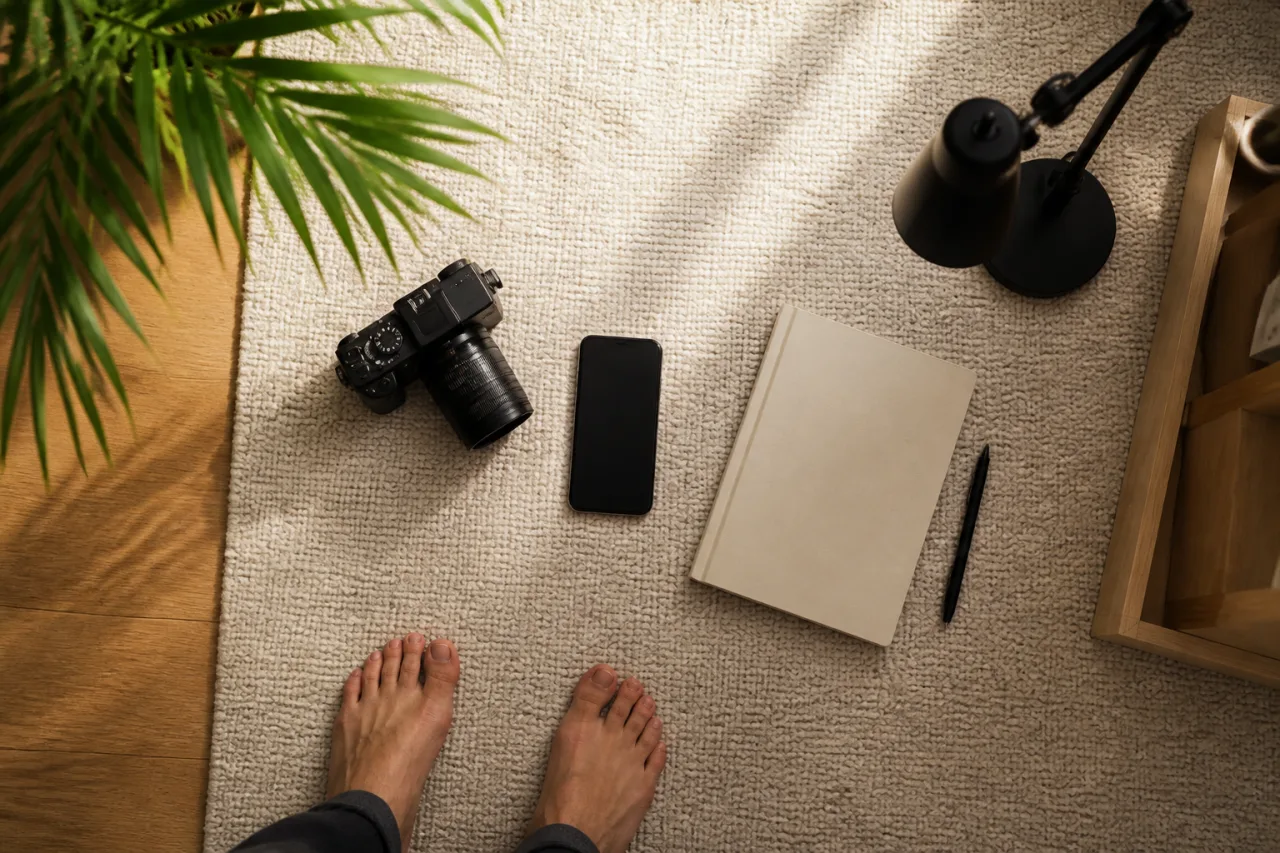
A Pre-Sale Legal and Privacy Checklist
Run through this list for every new photo set, even if you’ve sold to the same buyer before. It takes a few minutes and can prevent a rushed custom order from becoming a privacy, payment or legal problem.
Before taking the photo
- Confirm everyone pictured is a consenting adult. Check government-issued ID for any collaborator and confirm they understand what’s being photographed, where it may be sold and how buyers may use it. Don’t rely on appearance or a verbal claim that someone is over 18.
- Get consent in writing. Keep a dated model release or other clear agreement for each participant. Consent to take a photo isn’t automatically consent to sell it, so state both separately.
- Check the setting. Remove mail, medication labels, work badges, family photographs and reflective objects that could reveal your identity or location. Look closely at mirrors, windows, taps and glossy furniture.
- Assess the request itself. Decline anything involving suspected minors, coercion, public exposure, trespassing, violence, harassment or another person’s private property. If a request feels illegal or unsafe, don’t negotiate it into a “safer” version. End the conversation and report it where appropriate.
Before uploading or delivering
- Read the current rules. Recheck the platform’s prohibited-content list and delivery requirements, particularly for custom orders. Rules can change, and a request accepted six months ago may not be allowed now.
- Inspect the final file at full size. Check backgrounds, reflections, tattoos, distinctive jewelry and visible documents. Cropping is often safer than trying to blur a revealing detail poorly.
- Remove metadata. Export a clean copy without GPS coordinates, device details or identifying filenames. Open the exported file’s properties to confirm the data is actually gone; don’t assume a screenshot or editing app removed it.
- State the usage rights. Specify personal use, commercial use, exclusivity, editing permissions and reposting limits in writing. Avoid vague promises such as “it’s completely yours” unless you genuinely intend to transfer copyright.
- Verify payment inside the platform. Deliver only after the order shows as paid or cleared in your account. A screenshot, email receipt or buyer-provided transaction number isn’t proof of payment.
After the sale
- Retain transaction records. Save the listing, buyer messages, agreed license, consent documents, payment confirmation and delivered filename. Store them in an encrypted folder with a backup, using order numbers rather than buyer names where practical.
- Log the income promptly. Record the sale date, gross amount, platform fees, refunds and related expenses. Doing this weekly is far easier than reconstructing dozens of small payments at tax time.
- Keep an incident note if something goes wrong. Record dates, usernames and report numbers before blocking a buyer or deleting messages. Preserve the original evidence rather than relying on cropped screenshots alone.
The Bottom Line: Legal, but Not Risk-Free
For consenting adults, selling ordinary pictures of their own feet is usually lawful. The important qualification is that the images, how they were created, the buyer’s request, the payment process and the way income is reported must all comply with the rules that apply where you live.
Legal doesn’t automatically mean safe, private or permitted everywhere. A legitimate sale can still expose you to chargeback attempts, copied images, aggressive buyers or account problems if you ignore a platform’s terms. Once a file has been delivered, you may also have limited practical control over where it ends up.
The lowest-risk approach is to use a dedicated, adult-only marketplace such as Feetpik rather than arranging sales through random direct messages. A specialist platform gives the transaction a clear structure, including seller requirements, content boundaries and payment procedures. That won’t remove every risk, but it’s far safer than trusting a stranger who promises to pay after you send a preview.
Keep conversations and payments on-platform, even when a buyer offers more money to move elsewhere. Off-platform deals strip away useful records and may leave you without support if the buyer disappears, disputes the payment or pressures you for content you never agreed to create. A higher offer isn’t much of a bargain if you can’t verify or keep the payment.
Treat your personal information just as carefully as the photos. Use a seller name that isn’t connected to your everyday accounts, inspect every background and avoid sharing your phone number, personal email, home address, workplace or daily routine. Remember that being anonymous to buyers doesn’t mean giving false details to Feetpik, a payment processor or a tax authority.
It also helps to set firm boundaries before anyone contacts you. Decide what you’ll sell, what you won’t create and which usage rights a buyer receives. If a request makes you pause—especially one involving another person, unusual public settings, age ambiguity or a demand for secrecy—don’t improvise. Decline it until you know it’s lawful and allowed.
Local rules can differ, particularly around adult-content classifications, business registration, sales tax, VAT and self-employment income. If the answer isn’t clear from official guidance or Feetpik’s current policies, ask a lawyer or qualified tax professional in your jurisdiction. Paying for one accurate answer can be cheaper than correcting an avoidable mistake later.
So, yes: adults can generally sell feet pics legally. Just don’t treat “legal” as a guarantee that nothing can go wrong. Use an adult-only marketplace, keep the full deal on-platform, protect identifying details, maintain clean records and walk away from requests that feel questionable. A cautious seller can still make sales without giving up common sense, privacy or control.