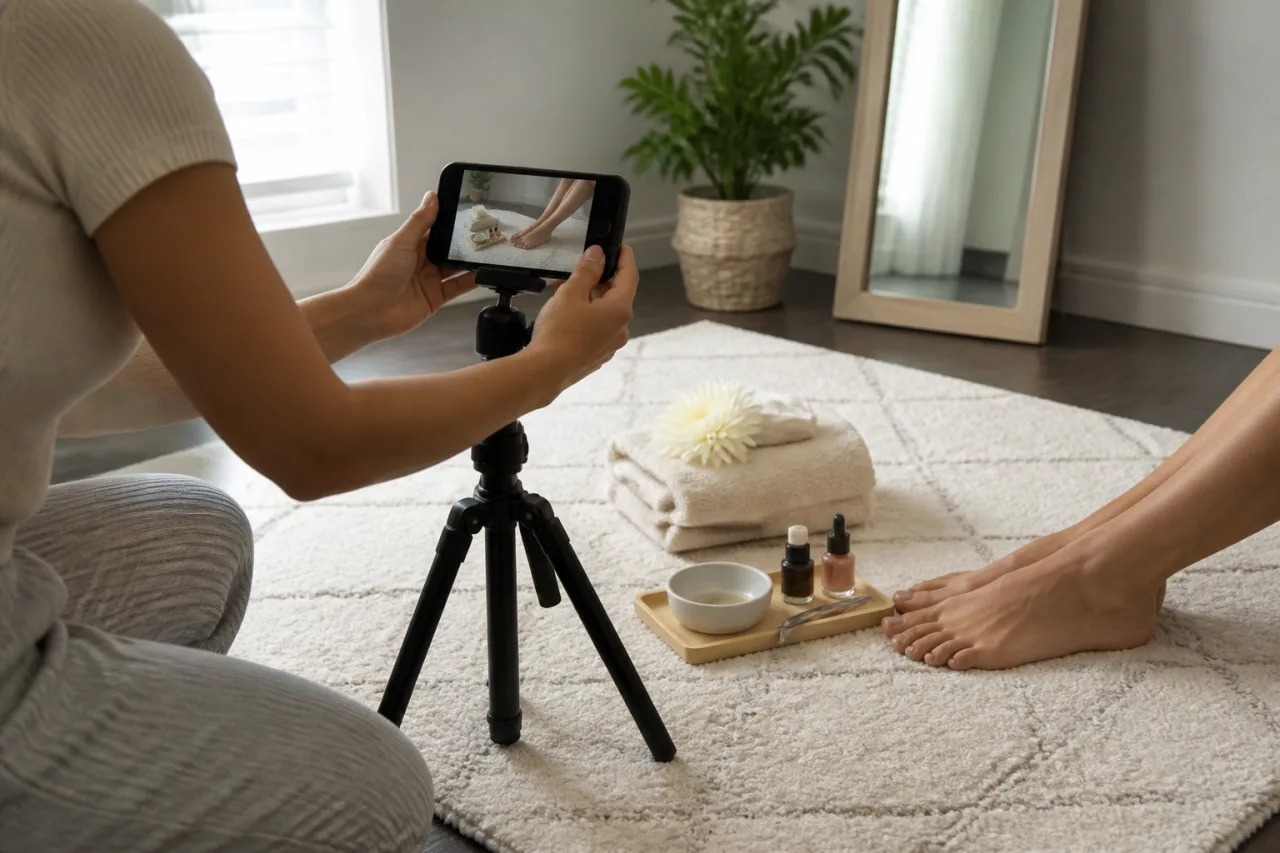
One careless photo can reveal more than you think: a face in a mirror, a street name through the window or location data buried in the file. Selling feet pictures safely starts long before you publish your first listing.
There’s real work involved, too. You’ll need clean, well-lit photo sets, clear prices, useful descriptions and firm boundaries for buyer messages and custom requests. Income isn’t automatic; results depend on quality, consistency, pricing and repeat customers.
This guide shows you how to set up an anonymous Feetpik profile, create pictures people will pay for and handle orders without exposing personal details or falling for common scams. You can start with a phone, basic lighting and two or three focused sets—no expensive gear or risky off-platform deals required.
What Selling Feet Pictures Online Actually Involves
Selling feet pictures is less “upload a few phone photos and collect money” and more like running a small content shop. You’ll create tasteful, cohesive photo sets, choose strong previews, write accurate listings, answer buyer questions and post often enough that your profile doesn’t look abandoned.
There’s also behind-the-scenes work. Files need organizing, messages need checking and personal information must stay out of photos and conversations. A basic batch of 10 edited images can easily take one to two hours once you include setup, shooting, selection and listing.
Who Buys Feet Pictures—and Why
Buyers aren’t one uniform group. Some enjoy feet as a personal interest, while others collect images built around a specific aesthetic: polished nails, natural looks, footwear, spa themes, seasonal colors or carefully staged studio shots.
Some customers prefer ready-made sets they can purchase immediately. Others look for creators with a recognizable style and may request new colors, poses or themes. There are also commercial buyers, such as bloggers or small brands, who may need tasteful foot-focused images for articles, product displays or social content.
What buyers usually have in common is a desire for quality and reliability. Clear images, accurate descriptions and prompt delivery matter. A modest but well-presented set often has more appeal than 40 rushed photos with inconsistent lighting and nearly identical angles.
How Much Can Beginners Realistically Earn?
Honestly, some new sellers make nothing during their first few weeks. Others earn $50 to $200 after building several listings and attracting a handful of buyers. Those figures are examples, not a standard salary or a promise of what your Feetpik profile will produce.
Results depend on photo quality, niche demand, pricing, posting frequency and how quickly you respond to genuine inquiries. Repeat customers make a particularly big difference because you’re not starting from zero with every sale. One buyer returning twice a month may be worth more than dozens of profile visitors who never purchase.
Remember that sales revenue isn’t the same as profit. Platform fees, props, grooming products, lighting and taxes can reduce what you keep. Track both your income and the hours you spend so a busy-looking account doesn’t hide a very low hourly return.
Why This Is Not Completely Passive Income
Older listings can continue selling, but they rarely do all the work indefinitely. Fresh uploads give previous buyers a reason to return, while unanswered messages and stale profiles can quietly cost you sales.
You’ll also spend time planning shoots, editing files, updating availability and dealing with requests that go nowhere. Even a streamlined seller might devote three to five hours a week to the account.
The work can become more efficient as you build reusable setups and learn what customers actually buy. Still, it’s better viewed as flexible, repeatable work—not effortless passive income.
Set Your Privacy, Legal and Personal Boundaries First
You must be a legal adult to sell feet pictures. Before posting anything, confirm the age requirement where you live, read Feetpik’s current seller rules and check whether local laws restrict the content you plan to create. Income may also be taxable even if selling is only a side project, so don’t wait for your first payout to investigate your obligations.
Create a Separate Seller Identity
Choose a pseudonym that isn’t connected to your real name, gamer tag or existing social handles. Search it in a private browser before committing; an alias isn’t useful if it leads straight to an old forum account containing your hometown and birthday.
Create a separate email address for seller activity. Don’t sync its contacts, use a personal profile photo or add your everyday phone number unless it’s required for private account verification. Even with those precautions, perfect online anonymity can’t be guaranteed. Platforms, payment processors and authorities may require accurate legal or tax information behind the scenes.
Remove Identifying Details From Photos
Check every image at full size before uploading it. Photo metadata can contain the device model, date and GPS coordinates, so disable location tagging in your camera settings and remove existing EXIF data with your phone’s privacy tools or a reputable metadata remover. Don’t assume a platform will strip it for you.
The image itself can reveal more than the file data. Look for street signs through windows, mail on a counter, family photographs, school or workplace logos and distinctive furniture. Mirrors, glossy tiles, taps and even sunglasses can reflect your face or camera setup. Tattoos, birthmarks and recognizable jewelry may also identify you; cover them, crop them out or keep them consistently outside the frame.
Decide Your Content Boundaries in Writing
Write a private yes-and-no list before buyers start messaging. Define how much of your legs or body you’ll show, which clothing and props are acceptable, and whether you’ll take custom requests. Include firm limits around video, voice, live calls, meetups and personal questions.
Be specific. “No identifying items, no face and no requests outside the platform” is easier to enforce than “nothing uncomfortable.” You can change your limits later, but never let a buyer’s promised payment talk you past a boundary you set while thinking clearly.
Keep Records for Taxes and Expenses
Track each payout, platform fee and business-related purchase from day one. A simple spreadsheet can record the date, amount, currency, fee and expense category. Save receipts for items such as lighting, backdrops, editing software and props, but don’t assume every purchase is deductible.
Tax rules vary by country and sometimes by state or region. Check your local filing and registration requirements, and ask a qualified tax professional if the rules aren’t clear. Keep financial records under your legal identity, even though customers only see your seller alias.
Create a Trustworthy Feetpik Seller Profile
Your Feetpik profile should answer three questions quickly: What kind of pictures do you create? How often do you post? What can buyers reasonably request? A focused profile feels dependable without revealing anything about the person behind it.
Choose a Memorable Seller Name
Pick an alias that’s easy to spell, easy to say and connected to your visual style. Names such as “SundaySoles,” “PolishedSteps” or “BarefootMinimal” give buyers a useful clue. Random numbers, long strings of underscores and complicated spellings make you harder to remember.
Before committing, search the name on Feetpik and a regular search engine. You don’t want an alias that’s already associated with another creator, an established company or questionable content. Also avoid adapting your real nickname, birth year, hometown, employer or the username from your personal social accounts.
Use a clear profile image that still protects your identity. A well-lit close-up from one of your strongest sets, a simple foot silhouette or a clean text logo works better than a blurry crop. Keep faces, identifiable rooms, mail, work badges and distinctive local landmarks out of the frame.
Write a Bio That Helps Buyers Know What to Expect
A good bio doesn’t need your life story. Two to four short sentences are enough. State your main style, your approximate posting rhythm and any firm limits that affect orders.
Clean, colorful sets featuring polished and natural looks. New photos added twice a week. Limited custom requests considered through Feetpik only; no face content or personal meetups.
That example gives buyers something concrete without naming a city, age, workplace or personal account. Don’t claim you’ll post daily if you can realistically manage one set each weekend. A modest schedule you follow looks more professional than an ambitious promise you abandon after two weeks.
Keep the tone friendly but unambiguous. If you don’t accept certain themes, rush orders or requests involving identifying details, say so briefly. There’s no need to publish a long list of negatives; a line such as “Custom work is limited to the styles shown on my profile” sets the expectation cleanly.
Review Verification, Privacy and Payout Settings
Once the public profile looks right, open Feetpik’s account settings rather than assuming the defaults suit you. Review the platform’s current verification requirements and confirm which details are displayed publicly versus retained privately for account, age or payment checks. These options and requirements can change, so rely on the wording inside your account and Feetpik’s latest policies.
Check notification visibility, messaging controls, blocked-user tools and any settings related to profile discovery. Preview your profile as a buyer if that option is available. It’s an easy way to catch an unwanted detail, an unfinished field or a profile image that crops awkwardly on mobile.
Finally, verify your payout information carefully. Make sure the legal details required for payment processing are accurate, even though your public seller name is an alias. Review available payout methods, minimum thresholds, processing times and fees before making sales, and turn on any available login security or two-factor authentication.
Take Feet Pictures People Will Actually Pay For
Use Simple Lighting and a Clean Background
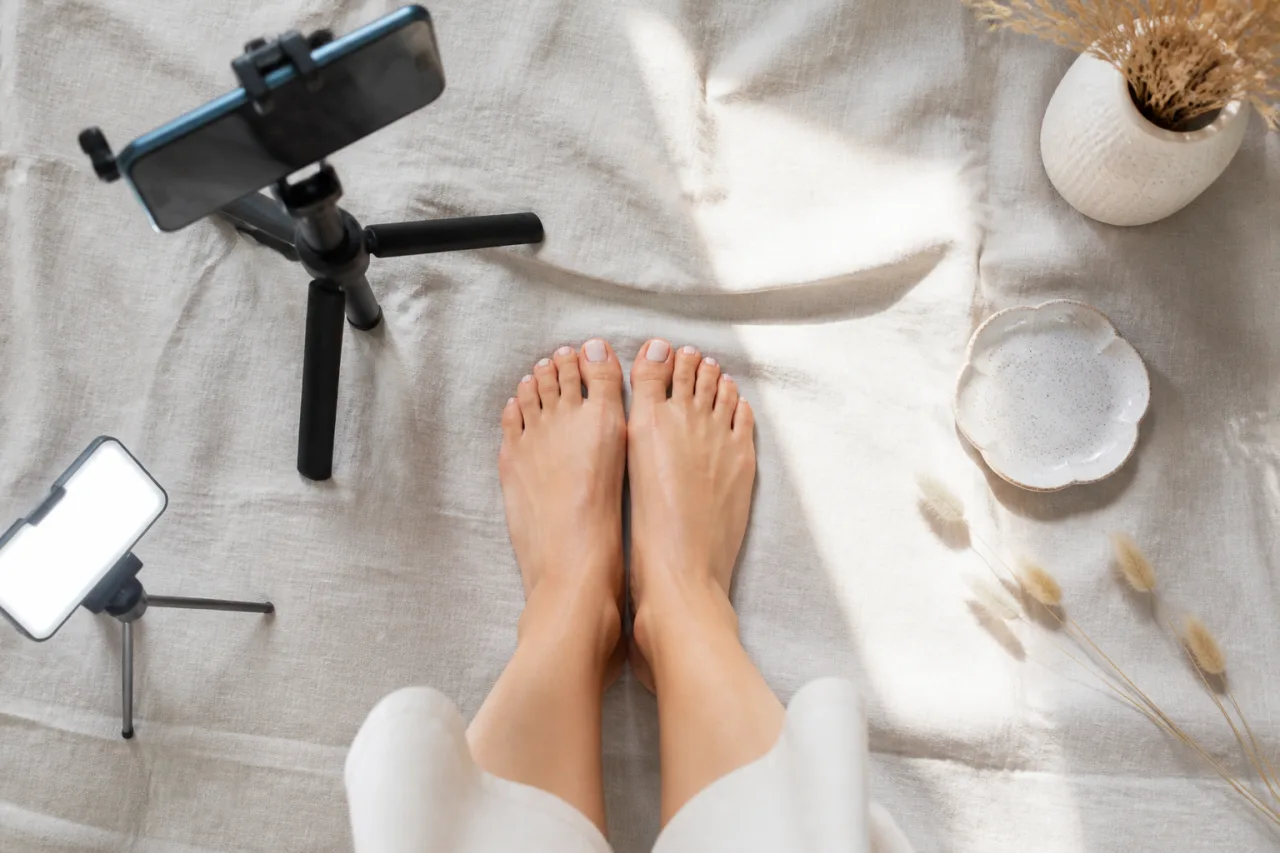
You don’t need a professional camera. A recent smartphone, a clean lens and steady lighting are enough. Set up beside a large window with indirect daylight, or use an inexpensive LED light placed about 45 degrees to one side. Avoid mixing window light with yellow ceiling bulbs, which creates uneven skin tones.
Choose a plain, spotless background: a white sheet, neutral rug, wooden floor or solid-color poster board works well. Check the entire frame for dust, pet hair, cords and personal items. Prop your phone on a small tripod or stack of books, then use the three-second timer to prevent blur.
Prepare Feet Without Overediting Them
Basic grooming makes a bigger difference than expensive equipment. Wash and dry your feet, trim and file nails, smooth obvious rough patches and apply a small amount of moisturizer. Give lotion 10 minutes to absorb; freshly applied cream often looks greasy under direct light.
If you’re using polish, clean the edges and allow it to dry fully before shooting. Don’t erase every line, freckle or natural texture during editing. Heavy smoothing can make skin look plastic and may leave buyers feeling that the preview didn’t match the delivered set.
Shoot Useful Angles and Both Orientations
Tap the main subject on your phone screen to set focus, then check the image at full size before continuing. Toenails and skin texture should look sharp, not hazy. If your camera keeps refocusing, hold the screen to lock focus and exposure.
Capture a deliberate mix: top-down views, side profiles, soles, crossed ankles and close details. Shoot each setup vertically and horizontally. Portrait images suit mobile previews, while landscape files give buyers more flexibility for desktop viewing and cropping. Change the distance and pose—not just the tilt of the phone.
Build Themed Sets Instead of Random Singles
A useful set feels like one complete shoot. Pick a background, lighting style, grooming look and one or two simple props, then create 10 to 15 genuinely different images. For example, a clean spa set might include a folded towel, bare feet, lotion and several wide and close compositions.
Don’t upload eight frames where only one toe moved. Keep the strongest version and remove soft, awkward or repetitive shots. Cohesive sets look more intentional and give buyers a clear idea of what they’re purchasing.
Edit, Crop and Export Without Losing Quality
Start with light adjustments: straighten the frame, crop distractions, correct exposure and make small changes to warmth or white balance. Apply similar settings across the full set so skin, polish and background colors don’t shift from image to image. Skip dramatic filters, artificial blur and extreme saturation.
Keep an untouched copy of every original. Export paid images as high-quality JPEG files at the phone’s original dimensions rather than screenshots or compressed messaging-app copies. Before uploading, zoom in to confirm focus, inspect the frame edges and compare the set side by side for consistent color.
Choose a Niche Without Boxing Yourself In
A recognizable style makes your Feetpik profile easier to browse. Buyers can quickly understand what you offer, and your listings look connected rather than like random photos from different shoots. That doesn’t mean committing to one theme forever. Start with a consistent foundation—similar lighting, editing and backgrounds—then test different concepts within it.
Beginner-Friendly Photo Themes to Test
Choose three themes you can produce without buying piles of props. Shoot a complete set for each theme, keeping the image count and overall quality similar so you can compare the response fairly.
- Polished looks: Neat pedicures, glossy finishes and coordinated colors against clean backgrounds.
- Natural looks: Bare nails, soft daylight and relaxed poses with minimal editing.
- Seasonal colors: Pastels in spring, brighter shades in summer and deeper reds or metallics during the holidays.
- Footwear: Sandals, heels, sneakers or cozy socks shown as part of a cohesive outfit-inspired set.
- Spa settings: Towels, lotion, a foot bath and neutral accessories that create a calm, pampered feel.
- Outdoor lifestyle shots: Feet on a picnic blanket, beside a pool or on a clean garden path, provided the setting doesn’t reveal your location.
- Minimalist studio images: A plain backdrop, controlled lighting and simple poses that put all the attention on the subject.
Keep roughly 70% of your uploads within the styles already getting attention, and use the remaining 30% for experiments. This gives your profile a clear identity without making every listing look identical.
How to Spot Patterns in Buyer Interest
Don’t choose a niche because someone online claims it’s profitable. Track what buyers actually do. A simple spreadsheet can record the theme, upload date, number of saves, buyer messages and completed sales for every set.
Review the numbers after four weeks, not after one quiet afternoon. Saves suggest visual interest, messages may reveal demand for related variations, and sales provide the strongest signal. Look for combinations: perhaps natural outdoor sets receive plenty of saves, while minimalist red-polish sets produce purchases and repeat inquiries.
Also note the language buyers use. If several people independently ask about sandals, neutral polish or spa-style sets, that’s a useful pattern—not a guarantee, but a solid reason to test another set.
When to Drop a Theme That Is Not Selling
Give each theme a fair trial of two or three well-made sets posted at different times. If it gets few saves, no serious messages and no sales after 30 to 45 days, stop investing in it for now.
Before dropping it, check that weak photos or an unclear preview weren’t the real problem. Reshoot once if the concept showed some interest. If the second attempt also falls flat, move on. Your niche should follow evidence, not the time you’ve already spent on props or polish.
Price Feet Pictures, Bundles and Custom Requests
Set a Sensible Starting Price
There’s no universal rate for feet pictures, so treat price examples as testing points, not promises. A beginner might list one polished image for $5–$10, a small set of 3–5 images for $15–$30, and a larger 10–15 image collection for $35–$75. Check comparable Feetpik listings and account for any current platform fees before settling on your numbers.
Price the finished product, but don’t ignore the work behind it. A clean five-photo set shot beside a window may take 30 minutes. A themed set involving grooming, lighting changes, outfit coordination and editing could take two hours. Those shouldn’t cost the same.
Beginners often make everything extremely cheap to win early sales. That can attract bargain hunters and make later increases harder. It’s better to offer one affordable introductory set while keeping your regular listings at sustainable prices.
Use Bundles to Increase Order Value
Bundles should give buyers better value without reducing your earnings to pennies per image. If singles cost $8 each, you might price five images at $25 and 12 at $50. The buyer gets a visible discount, while you make more from one transaction.
Make each bundle feel deliberate. Combine different angles, close-ups and wider compositions from the same shoot rather than padding it with near-identical frames. You can also group related sets, such as three polish colors or a footwear collection, at a modest package discount.
Keep your best-value option easy to spot. Three choices—single, small set and full set—usually work better than seven confusing variations.
Charge Properly for Custom Work
Custom requests should cost more than ready-made content because they use dedicated time and may have limited resale value. A straightforward custom set might start around $30–$60, while detailed styling, unusual angles, multiple setups or exclusive content could run $75–$150+. These are starting ranges; your workload and actual buyer demand matter more.
Add charges for expenses such as a specific polish color, new footwear or special props. If an item costs $18 and requires a separate shopping trip, adding only $18 leaves your time unpaid. Exclusivity also deserves a meaningful premium because you’re agreeing not to resell that work.
Where Feetpik’s current features and rules support it, collect full advance payment or a non-refundable deposit before buying props or shooting. Confirm what’s included and allow one correction only if you made an agreed-upon error. New poses, colors or concepts are a new order, not a free revision.
Know When to Raise Your Prices
Raise prices when sets sell quickly, custom slots stay full or repeat buyers regularly request more work. A 10%–20% increase is easier to test than suddenly doubling every listing.
Review your numbers after 10–20 sales. If a $25 order routinely consumes two hours, it’s underpriced after preparation, editing, messaging and fees. Keep proven older listings available if they still sell, then price new or more involved work at the higher rate.
Write Listings That Turn Browsers Into Buyers
A buyer shouldn’t have to message you to learn what’s included. A good Feetpik listing answers the obvious questions upfront: What does the set look like? How many images are there? Is it ready to view, or will it be created after purchase? Clear listings feel more trustworthy and make comparing options easier.
Choose a Strong Cover Image
Your cover image has one job: earn the click without revealing the best paid shot. Pick a sharp, well-lit photo that represents the full set’s color, styling and overall mood. If the collection features red polish and black heels, don’t use a barefoot natural-look photo as the cover.
Crop deliberately. The main subject should be easy to understand at thumbnail size, with no distracting laundry, cords or clutter in the frame. Before publishing, shrink the preview on your phone. If it looks dark or confusing, choose another image.
Write Specific, Search-Friendly Titles
Skip vague titles such as “New Set” or “Cute Feet Pics.” Buyers can’t tell those listings apart. Name the defining features instead: Glossy Red Pedicure in Black Heels — 12-Photo Set is specific, readable and useful.
Work natural search terms into the title and description, including relevant details such as barefoot, white pedicure, sandals, spa setting or outdoor photos. Only mention what’s genuinely shown. Repeating “feet pics,” “foot photos” and “pedicure feet” in every sentence looks spammy and makes the listing harder to read. One clear title and a few accurate phrases are enough.
Describe Exactly What the Buyer Receives
The description should remove guesswork. State the image count, visual style, setting, polish color, footwear or props, and the types of angles included. Note meaningful details such as close-ups, sole views or full-foot compositions, but don’t claim variety if six images are almost identical.
Also explain the format and delivery expectation. For example: Includes 15 edited, high-resolution JPG images from the set shown. This is a ready-made digital collection available through Feetpik after purchase; no physical item is shipped. If delivery isn’t immediate, give an honest timeframe such as 24 or 48 hours. Don’t promise same-day delivery unless you can reliably provide it.
Use Previews Without Giving Away the Full Set
Two or three previews are usually more persuasive than one heavily blurred thumbnail. Show enough detail to prove the lighting, focus and editing quality, while saving the strongest compositions and full-resolution files for the buyer.
Add a tasteful watermark across a meaningful part of each preview, not in an empty corner where it can be cropped away. Keep it visible but restrained: your Feetpik alias at moderate opacity works better than a huge block of text covering the entire image. Preview files can also be reduced in resolution, giving shoppers a fair look without handing over a printable version of the paid set.
Promote Your Feetpik Profile Without Exposing Your Identity
Start With On-Platform Visibility
Your safest potential buyers are already browsing Feetpik, so improve visibility there before posting links across the internet. Keep your bio current, use clear listing titles and choose a strong preview that accurately represents each set. A half-finished profile with three vague listings won’t benefit much from outside traffic.
Publish fresh work regularly and update older listings when your style improves. If Feetpik offers categories, tags or discovery features, use only the ones that genuinely match the content. Accurate labels may attract fewer clicks than broad ones, but those visitors are far more likely to buy.
Keep Promotional Accounts Separate
If you promote through social media, forums or creator communities, make a dedicated account that has no connection to your everyday identity. Use a new email address, a unique seller username and branding created specifically for the account. Don’t recycle the handle you’ve used on gaming sites, resale apps or old message boards; one search can connect years of accounts.
Turn off contact syncing and don’t grant the app access to your address book. Avoid following relatives, local businesses, coworkers or your personal account. Recommendation systems can expose connections in both directions, including suggesting your promotional profile to people who already have your phone number.
Use a different profile photo rather than cropping one from a personal page. Before posting, check captions, location stickers, visible street signs and references to local events. Even a line like “snowed in again here in Buffalo” narrows your location more than you might expect.
Create a Sustainable Posting Schedule
Promotion works better when it’s steady, not frantic. A practical starting schedule is three promotional posts per week plus 10 to 15 minutes answering relevant comments or updating your Feetpik listings. Batch a week’s posts in one sitting so you’re not logging in all day.
Track which posts produce profile visits, messages or sales instead of judging success by likes alone. Honestly, 150 followers interested in your particular style are worth more than 5,000 random accounts collected through follow-for-follow threads. Relevant attention is the goal, not an impressive-looking number.
Avoid Spammy Promotion Tactics
Read each third-party community’s rules before sharing anything. Some forums permit seller links only in a profile, on certain days or inside designated promotional threads. Others prohibit commercial posts entirely. Breaking those rules can get the promotional account banned and may leave your seller name associated with spam.
Don’t paste the same sales pitch into dozens of comments, send unsolicited direct messages or hijack unrelated conversations. Skip follower-buying services too; fake engagement doesn’t create customers and can trigger platform moderation.
Keep promotional previews tasteful, limited and distinct from paid sets. When a community allows links, give people a useful reason to visit—such as a newly released themed set—instead of repeatedly posting “buy now.” A small, rule-compliant presence is slower to build, but it’s much less likely to expose your identity or damage your reputation.
Handle Buyers, Payments and Custom Orders Safely
A simple order routine keeps misunderstandings from turning into disputes. Treat every request the same way: clarify it, quote it, collect payment through Feetpik, complete the agreed work and save the conversation.
Use a Clear Message Template
Don’t negotiate from scratch in a string of vague messages. Use a short template that moves the buyer toward a specific order:
“Thanks for asking. I can create a 10-photo set with red polish and a white background for $30, delivered within three days through Feetpik. The set includes the agreed poses only. Would you like me to confirm the order?”
Adjust the details, but keep the structure: image count, styling, setting, price and delivery time. If the request falls outside your boundaries, say so before discussing payment.
Confirm Custom-Order Details Before Shooting
Write the final brief in one message and ask the buyer to approve it. Confirm the number of photos, orientation, colors, footwear or props, requested angles, delivery date and any exclusivity terms. For video, include the exact length.
State what isn’t included, too. A $35 custom set doesn’t automatically come with extra poses, unedited files or unlimited reshoots. If you allow revisions, define them narrowly—for example, one correction only when the delivered set doesn’t match the written brief.
Keep Payment and Delivery on the Platform
Use only the payment and delivery methods currently approved by Feetpik. Don’t begin shooting because someone sends a payment screenshot or promises to pay after delivery. Check the order status inside your account first.
Before accepting, review Feetpik’s current refund and dispute rules. Tell buyers that refunds are handled under those rules, not through private side deals. Keep the approved brief, payment confirmation, delivery date and relevant messages; screenshots or an order log can help if a dispute arises.
Say No Without Starting an Argument
You don’t owe anyone a long explanation. Try: “I don’t offer that type of content, but I can provide the options listed on my profile.” If they keep pushing, repeat the boundary once and stop replying.
Treat requests for your real name, phone number, home address, workplace or personal social accounts as a hard stop. The same applies to pressure to continue by text, email or another payment app. Report and block the account rather than debating; a legitimate buyer can complete the transaction through Feetpik.
Encourage Repeat Buyers Without Overmessaging
Reliable delivery is better retention than constant promotion. Send one brief note after the order: thank the buyer, confirm delivery and mention when similar sets are usually posted.
If Feetpik offers follows, wish lists or notifications, point buyers there instead of repeatedly messaging them. Don’t contact someone every time you upload. A useful update after a buyer has expressed interest feels professional; five unsolicited messages in a week feels like pressure.
Common Mistakes and Scams New Sellers Should Avoid
Most costly beginner mistakes happen when a seller feels rushed, flattered or afraid of losing a sale. Slow down whenever a buyer changes the payment method, demands immediate delivery or asks for information that has nothing to do with the order.
Sending Content Before Payment Is Confirmed
A payment screenshot isn’t payment. Check the completed balance inside Feetpik before sending unwatermarked files, starting a custom shoot or purchasing props. “Pending,” “processing” and emailed payment notices don’t count.
Be wary of chargeback threats too. Keep messages, order details and delivery records, and don’t refund someone through a separate payment app because they claim the original transaction failed.
Trusting Screenshots, Links or Overpayment Stories
The classic overpayment scam sounds helpful: a buyer “accidentally” sends $150 for a $40 order, then asks you to return $110. Their original payment later disappears, leaving you out the money you returned.
Don’t open links claiming you must “verify” a payout, upgrade your account or enter login details to receive funds. Open Feetpik directly in your browser instead. Pressure to use crypto, gift cards or an off-platform app is another reason to end the conversation.
Revealing Clues About Your Real Identity
Some buyers casually ask for your city, full name, personal Instagram, phone number or workplace. None of that is needed to purchase pictures. Repeated questions are a privacy test, not friendly conversation.
Check exported files for location metadata, filenames containing your name and accidental clues in mirrors, mail labels or screens. One overlooked detail can connect an anonymous profile to your everyday life.
Offering Too Much Free Content
“Send a sample first” often means “send me something I can keep without paying.” Use a small, watermarked preview rather than a fresh full-resolution image. If someone requests several angles to judge your work, they’re effectively requesting a free set.
Unclear pricing creates similar trouble. State exactly how many images the buyer receives, the resolution, delivery timing and what costs extra before accepting the order.
Buying Expensive Equipment Too Early
Don’t spend $800 on a camera, lenses and studio lights before making your first $50. A recent phone, clean setup and basic light are enough to test demand.
Put effort into repeatable quality instead. Random lighting, inconsistent editing and sets that look noticeably different from their previews will lose repeat buyers faster than modest equipment ever will.
Ignoring Platform Rules and Tax Records
Read current Feetpik rules before listing or messaging buyers. Moving transactions elsewhere can remove platform protections and may put your account at risk, even when the buyer promises lower fees.
Finally, track every payout, fee, refund and legitimate business expense from day one. Save monthly records rather than reconstructing a year of transactions at tax time, and check the reporting requirements where you live.
Your Seven-Day Feet Picture Selling Launch Checklist
A week is enough to build a sensible first version of your Feetpik shop. Keep the goal modest: a private seller identity, two or three polished sets and listings you can improve after seeing real buyer activity.
Days 1–2: Privacy, Boundaries and Account Setup
On day one, write down your non-negotiables. Decide what you’ll show, which custom requests you’ll consider, how quickly you can reply and what information you’ll never share. This takes 20 minutes and prevents awkward decisions when a buyer is waiting.
Next, create a seller alias and a dedicated email address that aren’t connected to your personal usernames. Check the email account’s display name, recovery options and profile image too; those small details can accidentally reveal more than expected.
Use day two to open and complete your Feetpik account. Add a short bio, review current verification requirements and confirm your privacy, notification and payout settings. Don’t promote an empty profile yet.
Days 3–4: Shoot and Edit Your First Sets
Plan two or three sets with a clear difference between them. For example, shoot one natural window-light set, one polished-color set and one footwear-themed set. Aim for 8–12 usable images per set rather than taking 70 nearly identical photos.
On day four, select only the sharpest shots. Correct exposure and color consistently, crop distracting edges and create separate watermarked preview files. Keep the paid originals untouched and store each set in a clearly named folder so you don’t deliver the wrong images later.
Days 5–6: Price and Publish Listings
Choose a simple opening price structure you can explain in one sentence. Give each set a price based on image count, setup time and uniqueness; don’t invent a complicated discount system before you’ve made a sale.
Draft each listing with a specific title, exact image count, brief style description and delivery details. Publish at least two listings on day six, then view them as a buyer would. A preview that looked fine in your camera roll may appear too dark or tightly cropped on the listing page.
Day 7: Review, Promote and Track Results
Before sharing your profile, do one slow privacy review. Look at every full-size original and preview, not just the thumbnails. Then run this final pre-publish check:
- Metadata: Location data and unnecessary device details have been removed.
- Backgrounds: No mail, windows, reflections, family photos or recognizable possessions are visible.
- Spelling: Titles, descriptions and your profile bio are clean and consistent.
- Payment settings: Your approved Feetpik payout details are complete and accurate.
- Delivery details: Image count, file type, turnaround time and custom-order limits are clear.
Now promote through the separate accounts you’ve chosen. Track listing views, messages, saves and sales in a basic spreadsheet. Review the numbers after seven more days before changing your prices or shooting five new themes; honestly, one quiet afternoon isn’t useful evidence.
Start Small, Stay Consistent and Protect Your Privacy
You don’t need a studio, an expensive camera or a drawer full of props to start. A recent smartphone, clean natural light and a simple background are enough to test whether people respond to your work. If daylight is unreliable, one inexpensive LED light is a more sensible purchase than a full photography setup.
Keep the first launch manageable. Three cohesive photo sets and five or six polished listings will teach you more than uploading 40 rushed variations at once. A smaller catalog also makes it easier to spot weak previews, unclear descriptions and styles that buyers consistently ignore.
Don’t judge the experiment after two days. Give your listings several weeks, post on a schedule you can realistically maintain and keep brief notes on what happens. Track views, saves, inquiries, completed sales and repeat purchases—not compliments, follower counts or vague promises from people who never buy.
Let Real Sales Guide Your Next Move
Review your results every two to four weeks. If a particular set sells twice while another gets views but no purchases, compare the preview, price, image count and presentation before assuming the entire theme is wrong. Change one or two things at a time so you can tell what actually helped.
Reinvest carefully, and only after demand appears. Your first earnings might be better spent on a sturdier phone stand, a neutral backdrop or one reliable light than on elaborate accessories. A purchase should solve a visible problem in your photos or workflow. “It might make me look more professional” isn’t a strong enough reason.
Treat Your Boundaries Like Business Rules
Consistency matters, but it never requires being constantly available. Choose reasonable reply hours, decide how many custom orders you can handle and say no when a request crosses a line. Buyers who respect your work won’t need repeated explanations or pressure you to make exceptions.
Keep every transaction inside Feetpik’s approved systems. Platform records provide a clearer trail if there’s a disagreement, while private payment arrangements leave you with fewer protections and more exposure. No sale is worth revealing your identity, accepting a suspicious link or moving a conversation somewhere that weakens your safety.
Privacy also needs occasional maintenance. Once a month, view your profile and listings as a stranger would. Look for small clues that may have slipped through as you became more comfortable, and check that your account, payout and communication settings still match the boundaries you set at the beginning.
Honestly, steady sellers usually look boring from the outside. They publish reliable work, answer legitimate messages, deliver what was promised and make modest improvements based on evidence. There’s no dramatic shortcut involved.
Start with the equipment you already have, protect the identity you can’t replace and let genuine buyer behavior shape what you create next. Income may build slowly, or demand may remain limited. Either way, a measured approach keeps your costs low, your decisions clear and your privacy under your control.