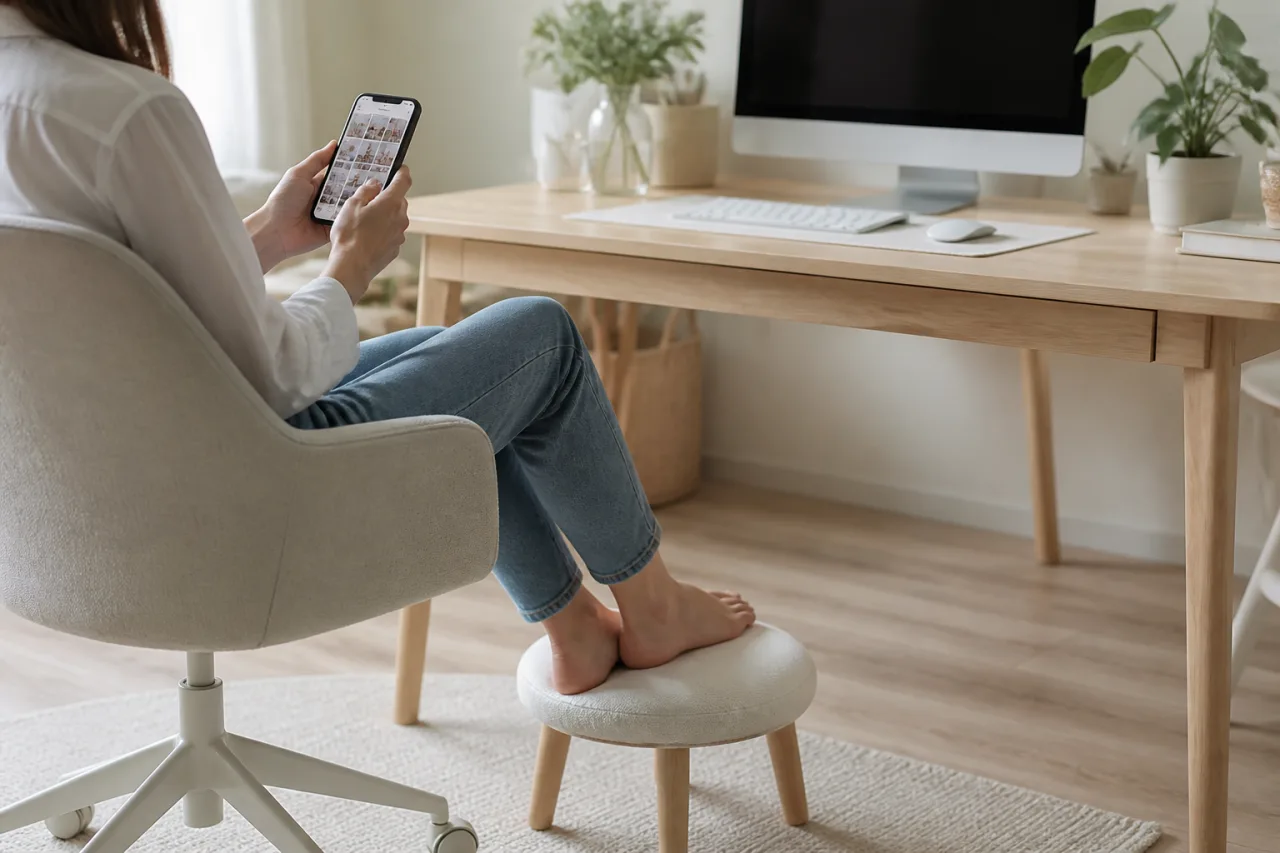
Ten thousand impressions can look impressive and still produce zero sales. What matters is the smaller chain behind that number: the right person sees a preview, visits your profile, sends a message and eventually buys. Consistent traffic is less glamorous than going viral, but it’s far more useful.
Before posting links everywhere, you need a profile that earns the click. Clear pricing, focused listings, strong previews and firm boundaries help buyers understand what you offer within seconds—and give them a reason to trust you.
This guide shows you how to attract qualified visitors on Feetpik or other marketplaces, choose a couple of realistic promotion channels, protect your identity and track what actually converts. You’ll also get a manageable weekly routine and a practical 30-day plan, without spam tactics, fake engagement or vague promises of overnight success.
Traffic is only useful when the right people visit
Impressions, profile visits, messages and purchases aren’t interchangeable. An impression means someone saw a post or preview. A profile visit shows enough interest to click, a message suggests genuine consideration, and a purchase is the result that actually generates revenue.
The four stages of the traffic-to-sale funnel
Think of traffic as a funnel rather than one big number:
- Impressions: Your preview appears in a feed, search result or community.
- Profile visits: The viewer wants to see more of your work, prices or content options.
- Messages: A potential buyer asks about a set, bundle, boundary or custom request.
- Purchases: The buyer pays through the marketplace or another permitted payment route.
Each stage filters out people who were never likely to buy. That’s normal. A post might receive 2,000 impressions, send 40 people to your profile, produce three serious messages and lead to one sale. Another might get only 300 impressions but bring five profile visits and two purchases. The second post delivered less traffic but far more value.
Relevance matters because untargeted attention creates noise. Someone clicking out of curiosity, looking for free images or expecting content you don’t offer isn’t a useful lead. Twenty visitors actively searching for your particular style can outperform several thousand random viewers.
Why follower count is a poor success metric
A large follower total can look reassuring, but it says little about buying intent. Accounts often accumulate inactive users, other sellers, giveaway hunters and people who enjoy previews without purchasing. A smaller audience that understands your offer and returns regularly is usually healthier.
Don’t expect one viral post to create dependable income, either. Viral attention is unpredictable and often badly matched to the content being sold. Consistent traffic usually comes from publishing clear listings, sharing relevant previews and showing up repeatedly where suitable buyers already spend time.
Some weeks will be quieter than others. The practical goal isn’t endless growth in views; it’s a steady flow of qualified visitors who know what they’ll find when they click.
Make your profile worth clicking before you promote it
A visitor should understand what you sell, what makes it different and what to do next within a few seconds. If they have to decode a vague username, an empty bio and five unrelated previews, they’ll probably leave rather than message you.
Choose a specific but flexible niche
“Feet pics” is too broad to feel memorable. Start with a clear angle such as colourful pedicures, outdoor barefoot sets, hosiery, high heels or natural soles. Leave yourself enough room to experiment: “outdoor barefoot photography” is flexible, while promising beach photos only may become restrictive in winter.
Use a short, readable username that fits the theme and doesn’t contain personal details. A handle such as PolishedSoles is easier to remember than a string of numbers. Pair it with a clean profile photo that matches your usual content and remains recognisable at thumbnail size.
Write a bio that answers buyer questions
Your bio should say what buyers receive, how often you post and what you don’t offer. Mention practical details such as photo sets, short videos, footwear styles or custom requests only if those options are genuinely available.
Set expectations plainly: “Replies within 24 hours” is better than “DM anytime.” State boundaries around messaging, custom content and delivery times. Buyers tend to trust profiles that are specific and consistent, not ones making grand promises.
Remove friction between a visit and a purchase
Keep previews visually consistent enough that buyers know they belong to the same seller. Give each listing a clear description, including the number of files, format, theme and any relevant details such as polish colour or footwear.
Show prices upfront and use one simple call to action, such as Browse current sets or Message me for the custom menu. Avoid “DM for price” on everything; it creates unnecessary work and can make pricing feel arbitrary. Before promoting, view the profile as a stranger and check whether the niche, boundaries, response time, products and next step are immediately obvious.
Use the words buyers actually search for
Good keyword research starts with buyer language, not clever branding. Type broad terms into marketplace search bars and note the suggestions that appear. Check relevant Reddit discussions for recurring phrases, review how established sellers describe similar sets, and compare terms in Google Trends. Use that research for direction—don’t copy another seller’s titles or captions.
Create three to five keyword groups
Organise your findings into small groups based on what’s visible in your content. Useful groups include style (minimal, cosy, polished), setting (bedroom, poolside, outdoors), footwear (heels, sandals, socks), colour (red pedicure, pink polish) and format (close-up set, sole photos, 20-photo bundle).
Pick three to five groups that fit your usual work rather than chasing every possible term. A creator who mainly shoots colourful pedicures in sandals might focus on colour, footwear and outdoor settings. That produces a clearer catalogue than mixing unrelated phrases such as “barefoot beach,” “black heels” and “cosy socks” into every listing.
Write specific titles instead of generic captions
“New set available” gives search tools and buyers almost nothing. A title such as “Red Pedicure in Black Heels — 15 Close-Up Photos” explains the colour, footwear and format without sounding forced.
Use the strongest phrase once in the title, then write a normal caption that adds useful details. Add a few accurate tags and give collections descriptive names such as “Outdoor Barefoot Sets” or “Pastel Pedicure Close-Ups.” You don’t need to repeat the same phrase in every field; that reads badly and can look like keyword stuffing.
Match every keyword to the actual photo set
Before publishing, check each term against what the buyer receives. Don’t tag a set “soles” if there’s only one partial sole shot, or call six images a large bundle. Likewise, avoid using popular colours, footwear styles or settings that appear only in the preview but not the paid set.
Accuracy may bring fewer impressions than broad tagging, but those visitors are more likely to want the content. Honest wording also reduces disappointed messages, refund disputes and buyers leaving because the listing didn’t match the search phrase.
Create thumbnails and listings that earn the click
Photograph for small mobile thumbnails
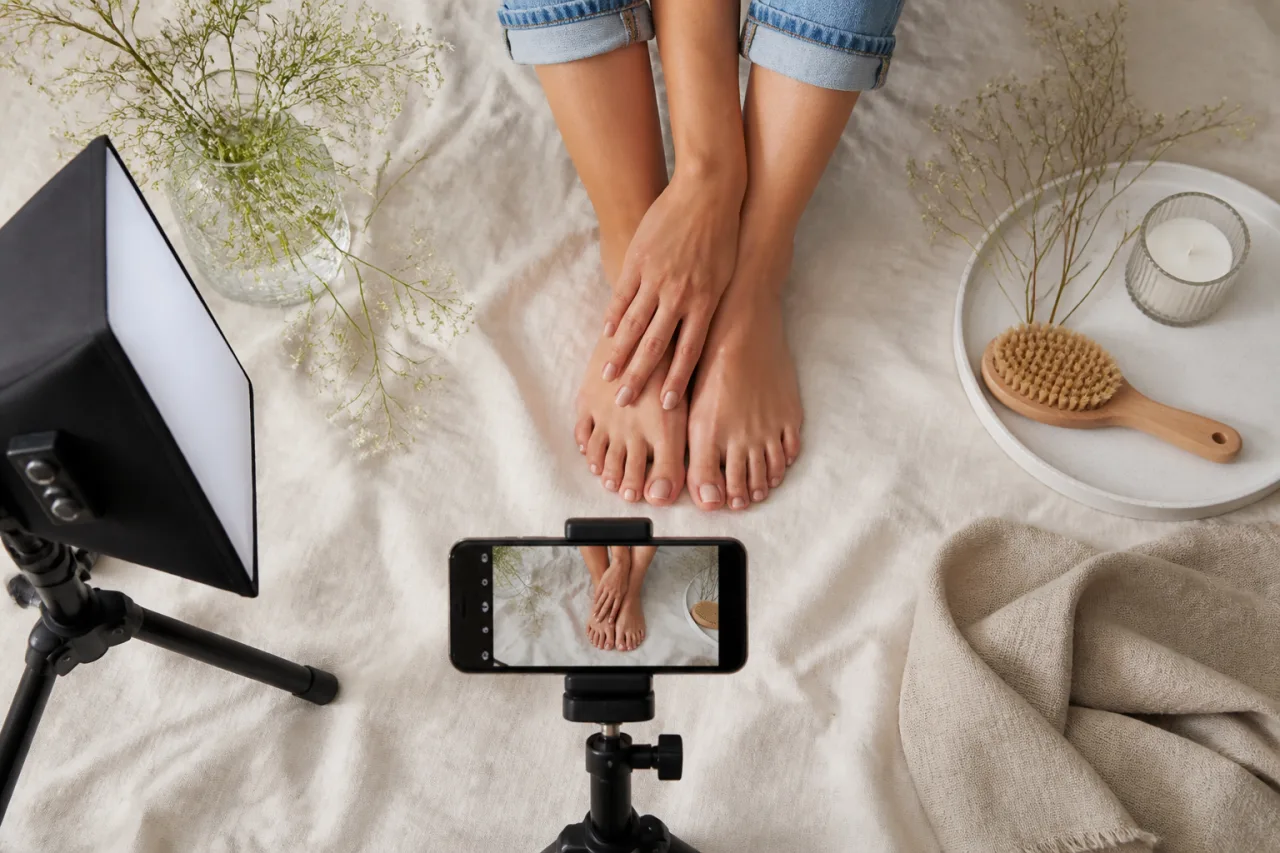
Most buyers will first see your cover image at roughly postage-stamp size. Use soft window light or a diffused lamp, tap to focus before shooting, and check the image at full zoom for blur. Mixed yellow and blue lighting is hard to fix later.
Keep the background uncluttered: plain bedding, a clean rug or a single-colour backdrop usually works better than a busy room. Crop consistently so the subject fills most of the frame without cutting off toes or key details. Leave enough variation in angles, colours and props that your profile doesn’t resemble a grid of duplicates.
Preview enough to build confidence without giving away the set
Choose two or three previews that accurately represent the listing: one strong cover, one alternate angle and perhaps one detail shot. Don’t use the best five images from a six-image set as previews. Buyers should understand the lighting, styling and overall quality while still having something worthwhile to purchase.
Add a small, semi-transparent watermark near the subject rather than across the entire image. It should discourage casual reposting without making the preview ugly. Upload reduced-resolution previews, keep original files private, and never place an unprotected full-resolution product in a public listing.
For bundles, show a representative image from each included set and state the exact number of photos or videos. Avoid vague labels such as “huge collection” when the bundle contains eight pictures.
Keep quality consistent across the profile
A recognisable style can bring people back. That might mean warm neutral backgrounds, square crops and one understated watermark—not identical poses every time. Think of it as a visual framework, then vary footwear, polish, settings and composition within it.
Before publishing, check every file for sharpness, accidental reflections and distracting objects. If a listing gets views but few opens, try a different cover image after several days. Compare a close crop with a wider composition, but change only the cover so you can judge what helped. Keep the winning approach as a guide, not a rigid template.
Use marketplace discovery tools deliberately
Marketplace traffic works differently from social traffic. Buyers are already browsing, but the platform still needs enough information to place your listings in the right searches, categories and recommendation feeds.
Complete every relevant listing field
Choose the narrowest accurate category, add relevant tags and fill in optional details such as set size, format or footwear type. Don’t select unrelated categories just because they look busy. That may create impressions, but those visitors are unlikely to buy and may report a misleading listing.
Use collections to group related products into easy browsing paths, such as seasonal sets, pedicure colours or sandal photos. A buyer who likes one listing can then find three similar options without digging through your entire profile.
Reply promptly to genuine questions, too. Some marketplaces factor seller activity into discovery, and buyers often message several sellers at once. You don’t need to be available all day, but checking messages at set times and stating your usual response window helps prevent missed sales.
Publish consistently instead of uploading everything at once
Fresh listings may appear in recently added feeds or temporarily receive more exposure. If you have 12 prepared sets, publishing two or three each week usually gives you more discovery opportunities than releasing all 12 on Monday and then going quiet for a month.
Keep quality steady and avoid reposting identical items to manufacture freshness. Platforms may treat duplicate listings as spam, and buyers notice when a “new” upload is simply an old set with a changed title.
Compare marketplace costs with the traffic they deliver
Feetpik is one paid marketplace and charges a commission on sales. Other options include FeetFinder and FunWithFeet, each with its own audience, seller costs and operating rules. Before committing, compare audience fit, listing or subscription fees, sales commission, payout minimums, withdrawal methods, identity checks and moderation standards.
Review current terms rather than relying on old social posts; fees and payout rules can change. Most importantly, don’t redirect buyers elsewhere to avoid marketplace charges if the rules prohibit it. That can remove payment protections, undermine buyer trust and get your account suspended.
Bring in organic traffic from outside platforms
External promotion works best when you match the channel to the content you’re comfortable sharing. Pick one or two platforms you can use consistently instead of maintaining six neglected accounts. Reach, linking rules and adult-content policies change often, so check the current terms before posting.
Reddit: participate before promoting
Reddit can put you in front of niche communities, but subreddit rules are often strict. Some require account age, minimum karma or seller verification; others ban links and promotional posts entirely. Read the rules and recent moderator comments before contributing.
Don’t arrive with a sales pitch. Answer questions, join discussions and learn what each community considers acceptable. A small, relevant subreddit may send better visitors than a huge general-interest one.
X and Bluesky: build visibility through conversation
X has an established adult-content audience, while Bluesky offers smaller communities and conversation-driven discovery. On both, visibility comes from replying thoughtfully, following related creators and posting regularly—not dropping the same profile link every day.
Reach is unpredictable. A post might receive 5,000 views one week and barely 100 the next, so don’t treat follower count as guaranteed traffic. Review each platform’s latest content and labelling policies, too.
Instagram and Pinterest: keep previews brand-safe
Instagram and Pinterest suit polished, lifestyle-style images: footwear, pedicures, spa themes or carefully cropped previews. Their visual search and recommendation systems can surface older posts, particularly on Pinterest.
However, fetish-adjacent captions, poses or links may trigger restrictions even when images aren’t explicit. Keep previews brand-safe, avoid coded attempts to dodge moderation and make sure your bio and destination page comply with current rules.
A personal website: slower traffic with more control
A personal website gives you control over articles, galleries, email sign-ups and links to a marketplace profile such as Feetpik. It also reduces dependence on one social account.
The trade-off is time. Search traffic commonly takes three to six months—or longer—to build, and you’ll need hosting, maintenance and clear age-appropriate content policies. A focused site answering specific search queries is more realistic than expecting a new homepage to rank immediately.
Protect your identity before increasing your reach
A pseudonym can reduce casual exposure, but it doesn’t make you unidentifiable. No marketplace, including Feetpik, can remove every privacy risk. Before promoting more widely, spend 20 minutes checking what your photos, accounts and conversations reveal.
Run a background and reflection check
Inspect every image at full size before uploading it. Look beyond your feet: mail on a counter, school or workplace logos, family photographs, distinctive furniture and views from a window can all disclose more than expected. Mirrors, glossy appliances, taps and dark screens may reflect your face, phone or another person.
Cover recognisable tattoos, birthmarks and jewellery if anonymity matters. Avoid shooting near street signs, house numbers or local landmarks, and don’t post in real time from places you regularly visit.
Photos may also contain EXIF metadata, including the device model, date and sometimes GPS coordinates. Disable location tagging in your camera settings and export a metadata-free copy before uploading. Don’t assume a social platform will reliably strip this information for you.
Separate creator and personal accounts
Use a creator username that you’ve never used personally, plus a dedicated email address with no real name, birth year or familiar profile photo attached. Search that username and email yourself; reused handles can connect accounts surprisingly quickly.
Create a strong, unique password for every marketplace, email and social account. A password manager makes this manageable. Turn on two-factor authentication, preferably with an authenticator app rather than SMS, and save recovery codes somewhere private.
Also check contact-sync and account-discovery settings. Uploading your phone contacts or allowing discovery by phone number can expose a pseudonymous profile to people you know.
Keep payment and messaging within approved systems
Only use payment and messaging methods permitted by the platform. Moving a transaction elsewhere can remove dispute protection, breach marketplace rules and reveal your legal name or contact details.
Common scam signs include overpayment offers, fake payment screenshots, requests for verification fees, emailed “payout” links and pressure to send content before cleared payment. Never share passwords, authentication codes, ID documents or banking login details with a buyer.
Set firm boundaries: don’t accept surprise video calls, personal meet-ups or requests involving illegal content. Sellers must be legal adults—at least 18, or older where local law requires—and must meet the age and identity rules of each platform and payment provider they use.
Build a weekly promotion routine you can maintain
Consistency gets much easier when you stop creating every listing and post from scratch. Batch the work: one focused photo session can supply several listings, previews and community posts for the week.
A sample seven-day publishing schedule
- Monday — plan and shoot: Choose one theme, prepare two backgrounds or accessories, and shoot enough material for three listings. Capture a few vertical and square preview crops while the setup is still in place.
- Tuesday — edit and schedule: Select the strongest images, remove metadata, add watermarks to previews and write the listing copy. Add planned publishing dates to a basic calendar or spreadsheet.
- Wednesday — publish and participate: Post the first listing, then spend 20 to 30 minutes replying to messages and joining relevant conversations on one external channel.
- Thursday — light admin: Check scheduled posts, answer genuine enquiries and note which preview attracted clicks. Don’t turn this into an hour of scrolling.
- Friday — second release: Publish another listing or bundle and share a channel-specific preview.
- Saturday — community time: Spend 20 to 30 minutes participating where you already have a presence. Follow each community’s posting rules.
- Sunday — review: Schedule the remaining listing and spend 10 minutes planning next week’s theme.
Repurpose one shoot without looking repetitive
A single shoot might produce a close-up listing, a footwear-focused set and a mixed bundle. Change the lead image, crop and caption so each release has a distinct reason to click.
Adapt promotion to the channel too. A Reddit post should fit the subreddit’s topic and tone; Pinterest needs a clear vertical image; X or Bluesky can use a short teaser and conversational caption. Copying the same sales pitch everywhere looks automated and may breach community rules.
Set limits so promotion does not become a full-time task
Use timers and fixed work blocks. Two 30-minute editing sessions plus three 20-minute engagement sessions are more manageable than checking notifications all day.
Keep your calendar simple: date, listing, preview, channel and status. If the routine regularly exceeds four or five hours a week, cut a channel or reduce posting frequency before sacrificing photo quality or boundaries.
Treat paid promotion as a test, not a shortcut
Paid shout-outs and boosted posts only amplify what’s already happening. If organic visitors view your profile but don’t message or buy, paying for another 500 visits usually means losing money faster—not fixing the underlying offer.
Calculate the maximum affordable cost per sale
Start with the sale price, then subtract marketplace commission, payment fees and any direct fulfilment costs. If a bundle sells for $30 and the marketplace keeps 20%, you receive $24. If you want at least $14 profit, your maximum affordable cost per sale is $10.
Next, use your existing conversion rate. If two out of every 100 relevant profile visitors purchase, a $10 allowable acquisition cost means you can spend no more than $0.20 per qualified visitor: $10 multiplied by 2%. Be conservative. Refunds, weak traffic and lower-priced purchases can quickly erase a narrow margin.
Run a capped test—perhaps $20 to $40—with a unique trackable link or campaign code. Record visits, messages, sales and net revenue rather than judging the campaign by likes.
Check advertising and marketplace rules first
Many mainstream advertising networks restrict adult, fetish-related or sexually suggestive promotion, even when the image itself is non-explicit. A photo of shoes or bare feet may still be rejected because of its caption, landing page or surrounding profile content.
Read both the advertiser’s rules and your selling marketplace’s promotion terms before paying. Don’t try to disguise prohibited content; rejected ads, disabled accounts and frozen balances cost more than a missed campaign.
Avoid follower packages and unverified promoters
Buying 5,000 followers for $25 may make an account look larger, but those accounts are commonly bots, inactive users or people with no buying intent. They can also distort your engagement data and damage credibility.
Treat vague promises such as “massive exposure” or “guaranteed reach” with the same suspicion. Ask promoters for audience location, recent campaign results and link-click data—not screenshots of follower counts. Pay for a small, measurable placement first, and stop immediately if the traffic produces no meaningful actions.
Track which traffic turns into messages and sales
A small weekly spreadsheet will tell you more than a dashboard full of impressions. Give each promotional post its own row, then record the week, traffic source, post or listing promoted, and the results it produced.
The five numbers worth recording
Track link clicks, profile visits, messages, purchases and net revenue. Net revenue means what remains after marketplace commission, payment fees, refunds and any promotional spend—not the price shown to the buyer.
Keep the source and specific post beside those numbers. “Reddit” is too vague; “r/ExampleSubreddit, red-socks preview, 8 July” is useful. If a platform doesn’t show clicks or profile visits, enter “not available” rather than guessing.
Use a few basic calculations:
- Message conversion rate: messages ÷ profile visits × 100
- Purchase conversion rate: purchases ÷ profile visits × 100
- Message-to-sale rate: purchases ÷ messages × 100
- Revenue per visit: net revenue ÷ profile visits
For example, 80 visits, eight messages and two purchases produce a 10% message rate and a 2.5% purchase rate.
Use trackable links without exposing personal data
Where the destination and promotional platform permit it, add UTM tags such as utm_source=reddit and utm_campaign=red_socks. Use neutral campaign names; don’t put your real name, location or other identifying details in the URL.
A privacy-friendly link shortener or your own domain can make long tagged links manageable, but check platform rules first. Some communities remove shortened links because they hide the destination.
Run simple two-week content tests
Change one thing at a time. Keep the listing, audience and posting time similar while testing two thumbnails; next, test captions or posting times separately. If everything changes, you won’t know what caused the result.
Run each version for roughly two weeks or until both have received a useful number of visits—50 per version is a reasonable starting point. One quiet Tuesday proves very little. Compare conversion and net revenue, not likes, then keep the stronger version and test the next variable.

Traffic mistakes that waste time or damage trust
Chasing reach instead of buyer intent
Irrelevant hashtags may increase impressions, but they bring people who were never looking to buy. Fake followers, likes or comments are worse: they distort your results, make weak posts appear successful and can look suspicious to genuine buyers.
Changing niches every week has a similar effect. Someone who follows for polished footwear sets may lose interest when the profile suddenly switches to unrelated themes. Copying another seller’s captions also removes your personality and may trigger duplicate-content or community moderation issues. Borrow the structure of a good caption, not the wording.
Promoting too often in the wrong places
A feed containing nothing but sales links gives people no reason to stop, respond or remember you. Share useful previews, answer relevant questions and participate normally where community rules allow it. Promotion works better after people recognise your style.
Don’t paste the same link into ten threads, unsolicited messages or loosely related groups. That’s spam, even if the offer is legitimate. It attracts complaints rather than buyers and can get accounts restricted. Read each community’s posting frequency, self-promotion and adult-content rules before publishing. Ignoring platform terms can also lead to removed posts, frozen accounts or lost access to an audience you spent months building.
Ignoring the experience after someone clicks
Promoting an unfinished profile wastes otherwise qualified traffic. If visitors find two listings, vague descriptions or broken links, they’re unlikely to return later. Finish the basics first, then test every link from a logged-out browser.
Slow replies reduce conversion because buyers often contact several sellers at once. You don’t need to be available constantly, but state a realistic response window, such as within 24 hours. Keep boundaries specific and pricing consistent across listings and messages. A buyer quoted $15 publicly and $25 privately will reasonably question everything else. Clear limits, dependable prices and prompt answers make the click feel safe enough to become a purchase.
Your 30-day traffic checklist
Week 1: profile, positioning and privacy
Start by viewing your profile as a stranger would. Can someone understand your style, prices and boundaries within five seconds? Tighten anything vague, add a direct call to action and make sure your previews feel consistent.
Before attracting more attention, complete a privacy check. Separate your selling email and username from personal accounts, enable two-factor authentication and inspect old and new images for metadata, reflections, tattoos, documents or recognisable surroundings.
Week 2: listings, keywords and thumbnails
Publish a focused group of five to eight listings rather than one item from several unrelated niches. A coherent set gives visitors more to browse and makes it easier to judge which subject, format or price point draws genuine interest.
Give every listing a specific title, accurate description and clean thumbnail. Use relevant search terms naturally, then check the group on both mobile and desktop. Fix cropped covers, confusing bundle details and previews that reveal too much before you promote anything.
Week 3: consistent external promotion
Choose one or two outside channels that suit your time and content. For example, you might participate in two relevant Reddit communities and post on X three times during the week. Check each platform’s current rules first.
Adapt the preview and wording to the channel instead of dropping the same sales link everywhere. Spend 20 to 30 minutes on selected days replying, joining conversations and being useful. Promotion works better when your account looks like a participant, not a billboard.
Week 4: measure, refine and repeat
Review the month by source. Compare profile visits, messages, purchases and net revenue—not likes alone. If 30 targeted visits produced two purchases while 500 broad impressions produced nothing, the smaller source deserves more attention.
Keep what worked, change one weak element and run the next four-week cycle. The long-term strategy is straightforward: build a clear profile, publish useful previews, participate without spamming and repeat what brings qualified visits. Don’t organise your business around the hope of one viral moment.