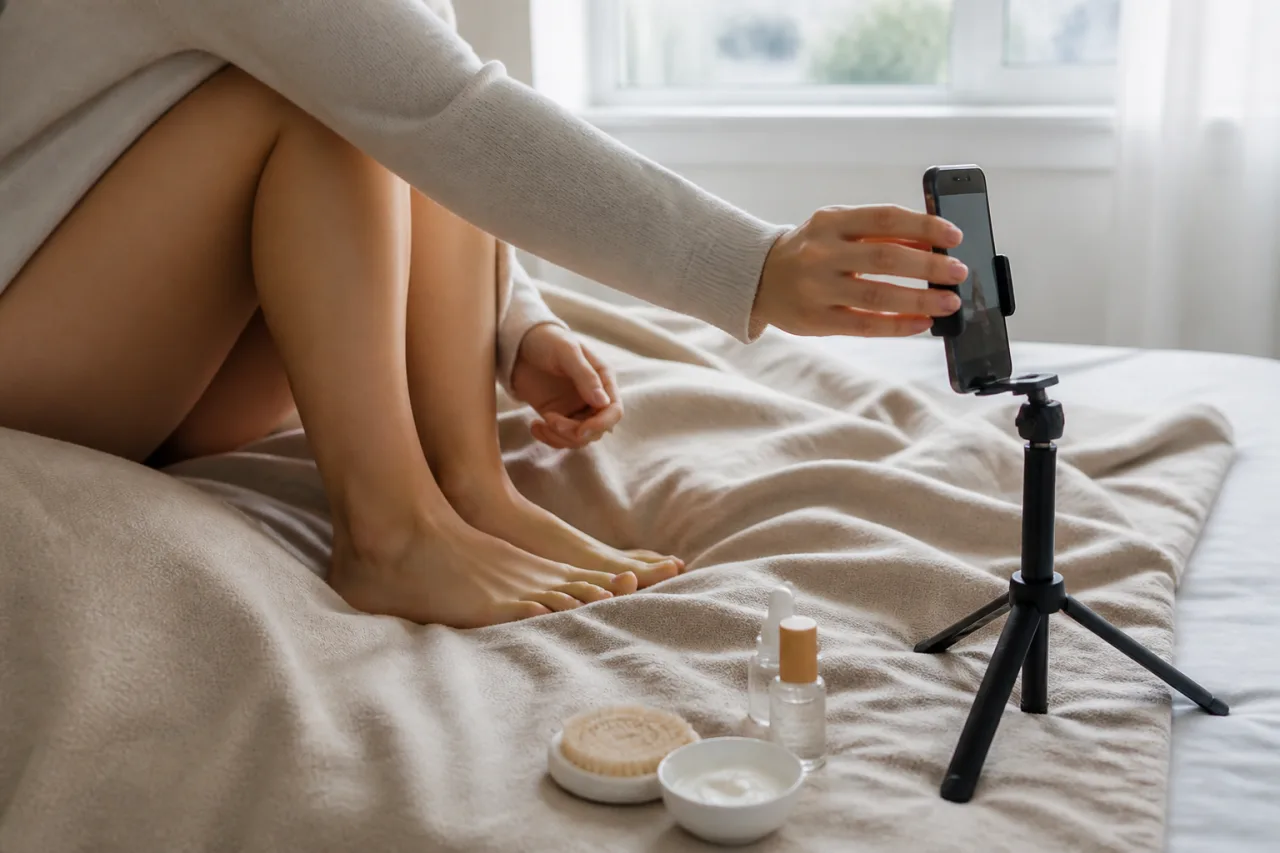
Why Selling Feet Pics Is a Legit Side Hustle (With Caveats)

Learn how selling feet pics works, what creators realistically earn, where to sell, and how to protect your privacy, time and money.

Sophie Bennett Written by Sophie Bennett 32 min read Last updated July 17, 2026
Why Selling Feet Pics Is a Legit Side Hustle (With Caveats)

Selling feet pics is a real way for some adults to earn extra money—but it isn’t the effortless cash machine you may have seen on social media. A lawful sale between a consenting adult and willing buyer can be legitimate; getting regular sales still takes decent photography, marketing, customer service and firm boundaries.

The harder questions are practical: how much can you realistically keep after commissions, taxes and unpaid messaging? Which platforms protect your privacy, and which warning signs point to a scam?

This guide gives you a grounded way to test the idea without buying expensive gear or exposing personal details. You’ll learn how to compare marketplaces, including Feetpik and alternatives, price your work, screen buyers and decide if the risk and time commitment suit you.

Yes, Selling Feet Pics Can Be Legit—But It Is Still Work

Selling feet pictures can be a legitimate side hustle. That doesn’t make it effortless, guaranteed or especially lucrative for every seller. Social posts promising hundreds of dollars for a few casual phone photos usually leave out the hours spent creating listings, answering messages and trying to attract buyers.

The basic transaction itself is straightforward: a consenting adult creates lawful digital images, and another adult willingly pays for access to them. The product may be a single photo, a themed set or a custom shoot. As long as the content, sale and delivery comply with local law and the rules of the platform handling the transaction, there’s nothing inherently fake about the business model.

What “legit” actually means

Here, legit means there’s a real product, a willing buyer and a transparent payment process. The seller accurately describes what’s included, charges through an approved method and delivers what was promised. The buyer knows the price and terms before paying. Both parties follow applicable age, content and commerce rules.

A legitimate platform can help structure that exchange, but it can’t guarantee demand. Specialist marketplaces such as Feetpik provide a place to list content and process sales in return for fees or commission. Using a marketplace may feel more organised than arranging deals through direct messages, but you’ll still need to check its eligibility requirements, prohibited-content policy and payout terms.

The photos are only one part of the job

A seller might spend 30 minutes taking pictures and another two hours selecting shots, editing lighting, writing descriptions, uploading files and replying to enquiries. Custom requests can add planning, reshoots and delivery deadlines. Even a modest catalogue needs occasional updates, or it quickly starts looking abandoned.

Photography matters more than many beginners expect. Buyers are paying for deliberate content, not whatever happens to be in a camera roll. Clean framing, consistent lighting and a clear theme make a set feel like a product. You don’t need a professional studio, but you do need enough patience to notice distracting laundry, chipped polish, harsh shadows or 20 nearly identical images.

Then there’s marketing. Uploading one listing and waiting rarely produces much. Sellers typically need useful titles, appealing previews, a recognisable style and regular activity. They also need customer-service skills: answering reasonable questions, stating boundaries without ambiguity and dealing calmly with someone who misunderstood a listing.

Privacy precautions add another layer of work. Before posting, sellers must consider what a photo reveals about their identity, home, location or daily routine. Keeping personal and seller activity separate takes discipline, particularly when promoting content across several accounts.

Realistic expectations matter just as much. Some sellers find repeat buyers; others make occasional sales, and plenty earn nothing during their first attempt. A lawful opportunity isn’t automatically a profitable one. The sensible approach is to treat it as a small digital-content business, count all the time involved and judge results from actual paid orders—not viral claims or cropped payment screenshots.

Why People Pay for Feet Pictures

The demand isn’t all coming from one type of buyer. Some people enjoy carefully styled foot photography in the same way others collect fashion, beauty or cosplay images. Others need reference material for drawing, product mock-ups or creative projects. There’s also demand for adult-oriented content, provided everyone involved is an adult and the material is lawful under local rules and the platform’s terms.

Buyers may look for specific aesthetics: polished nails, natural feet, sandals, hosiery, beach settings, seasonal themes or close-up detail shots. Some want a complete themed collection rather than a single image. Others request personalised photography featuring a chosen colour, pose, prop or handwritten message.

The Product Is More Than the Subject

A picture happens to feature feet, but that alone doesn’t make it desirable. The actual product includes lighting, composition, grooming, styling and presentation. A clean, well-lit set of 10 coordinated images feels intentional. Ten unrelated phone snaps taken in different rooms usually don’t.

Small creative choices can separate one seller from hundreds of similar accounts. That might mean soft window light and neutral colours, bold pedicures against graphic backgrounds, outdoor travel themes or a playful collection built around trainers and socks. A recognisable look gives buyers a reason to choose that creator instead of searching for the cheapest available image.

Context matters too. An illustrator might value clear side, top and sole views with natural posing. A collector may prefer matching sets released around a theme. A buyer requesting personalised content may care most about exact instructions being followed. None of those customers is simply paying because a foot appears in the frame; they’re paying for a particular result.

Adult-oriented demand is part of the market, but sellers don’t have to offer explicit or suggestive material. Plenty stay within beauty, fashion or artistic niches. Clear descriptions help buyers understand what’s included without forcing sellers into content they aren’t comfortable producing.

Repeat Buyers Matter More Than Viral Attention

One post receiving thousands of views can look impressive and still produce no meaningful sales. A smaller group of repeat buyers is generally more useful because they already know the seller’s style, image quality and limits. They’re also more likely to return when a new collection fits their interests.

Consistency doesn’t mean every photo must look identical. It means buyers can reasonably expect the same standard from one set to the next: sharp images, thoughtful framing, accurate descriptions and delivery in the format promised. If a listing advertises 12 distinct photos, sending six shots with near-duplicate crops will quickly damage trust.

Reliability is part of what people pay for, especially with personalised requests. Buyers value straightforward communication, realistic delivery dates and a clear answer about what a seller will and won’t create. Firm boundaries aren’t bad customer service. They prevent awkward negotiation and make the transaction easier for both sides.

Random snapshots may occasionally sell, but they’re difficult to build around. A dependable catalogue with a recognisable visual identity gives buyers something to follow, collect and revisit. In practice, that steady appeal is usually worth more than a brief burst of attention.

What You Can Realistically Earn

There isn’t a dependable “average income” for selling feet pictures. Some established sellers earn steady monthly money, while many new accounts make little or nothing during their first few weeks. Results depend on buyer demand, content quality, consistency, promotion and the amount of time you’re willing to spend.

Be especially wary of revenue screenshots. A dashboard showing $1,000 in sales doesn’t tell you whether the seller spent $300 on advertising, lost $100 to refunds, paid marketplace commission or worked 50 hours answering messages and producing custom sets. It may not even show money that was successfully paid out.

The Numbers That Affect Take-Home Pay

Gross sales are flattering. Net hourly income is the number that tells you whether this is a worthwhile side hustle for you.

Start by subtracting every direct cost from the amount customers paid. Depending on how you sell, those deductions could include marketplace commission, subscription or listing fees, payment-processing charges, refunds, chargebacks, promotion, props and editing software. You should also set aside an appropriate amount for taxes rather than treating every payout as spendable cash.

Then count all your working time—not just the minutes spent taking photos. Include planning sets, grooming, shooting, editing, uploading, writing descriptions, promoting posts, managing files and replying to enquiries that never become sales. Messaging is where an apparently profitable week can quietly turn into low-paid work.

Here’s a simple example. Suppose you make $240 in gross sales during one month. After $48 in platform deductions, $25 in small expenses and a $20 refund, you have $147 before tax. If the work took 18 hours, your pre-tax net rate was about $8.17 per hour, not the $240 headline figure.

Track these figures in a basic spreadsheet:

  • Gross sales and completed payouts
  • Platform, payment and promotional fees
  • Refunds, chargebacks and other expenses
  • Total hours worked
  • Profit before tax and net income per hour

Review the numbers monthly. One unusually good sale can distort a weekly result, while three months of records give you a much clearer view of repeat demand.

A Sensible First-Month Goal

Honestly, “replace my salary” is a poor first-month target. A better goal is to test whether strangers will pay for your work without exposing yourself to unlimited spending or endless unpaid effort.

Set firm limits before you begin. For example, give the experiment 30 days, cap startup and promotional spending at $50, and limit the work to five hours per week. Choose limits that fit your own budget; money needed for bills shouldn’t be part of the test.

During that month, aim for useful evidence rather than a dramatic income figure. Did you receive genuine enquiries? Did any buyers return? Which listings attracted interest? How long did each sale take from production to delivery? Most importantly, was your net hourly income acceptable once every cost and task was included?

At the end of the test, decide whether to continue, adjust or stop. Breaking even can still provide useful information, but repeated losses and hours of fruitless messaging aren’t signs that you simply need to spend more. They’re data—and sometimes the sensible response is to walk away.

Where Sellers Actually Find Buyers

There isn’t one “best” place to sell. A marketplace may bring buyers to you but take a larger cut; a social account gives you more control but leaves you doing the marketing, screening and payment admin yourself. Before joining anywhere, read the current fee, payout and acceptable-use pages—these terms change surprisingly often.

Specialist Feet-Picture Marketplaces

Sites built specifically for feet content offer the clearest audience advantage: visitors already understand what’s being sold. Feetpik is one paid marketplace and charges commission on sales. FeetFinder and FunWithFeet are other specialist options, each with its own seller charges, approval process and content rules.

The useful part isn’t simply access to buyers. Specialist platforms may provide private messaging, concealed personal details, seller verification, reporting tools and an on-platform checkout. Moderation can also remove obvious scammers or prohibited requests, although no system catches everything.

Compare the numbers carefully. Check listing or membership fees, sales commission, minimum withdrawal amounts, payout schedules, supported countries and any payment-processing deductions. Also ask who absorbs a refund or chargeback. Some platforms investigate disputes and protect sellers who delivered through the approved system; others may deduct the disputed amount from your balance.

Anonymity is relative. Your public profile may use an alias, but identity or age verification can still require legal documents behind the scenes. That’s normal for a compliant platform, provided its privacy policy explains how those documents are stored and used.

Subscription and Creator Platforms

OnlyFans and Fansly suit sellers who can publish regularly rather than upload one bundle and disappear. Income can come from subscriptions, paid messages, tips or custom content, depending on the platform’s current features. Fansly has internal discovery tools, while OnlyFans creators often need to bring in traffic from elsewhere.

These platforms generally handle checkout and establish payout holds, withdrawal thresholds and dispute procedures. In return, they deduct platform fees and can delay or reverse earnings after refunds, suspected fraud or chargebacks. Never treat a visible account balance as spendable cash until it reaches your bank.

Patreon can work for non-explicit photography, behind-the-scenes posts or recurring themed collections, but its adult-content rules, visibility limits and payment restrictions differ from dedicated adult platforms. OnlyFans and Fansly also impose detailed restrictions on content, captions, messaging and custom requests. Read the rules rather than assuming “feet pics” automatically means every pose or request is permitted.

Social Media and Direct Sales

Reddit and Instagram can provide low-cost promotion, but they aren’t ready-made storefronts. Reddit traffic depends heavily on individual subreddit rules, account-age requirements and moderator decisions. Instagram offers a huge potential audience, yet sexualised content may be removed, restricted or excluded from recommendations even when it isn’t explicit.

Direct promotion gives you control over branding and customer relationships, but discoverability takes work: posting, replying, testing captions and filtering time-wasters. Public profiles can also expose usernames, contacts, backgrounds or follower connections that undermine an alias.

The biggest trade-off is payment risk. If a buyer moves you into private messages and pays directly, you may have little help with chargebacks, stolen cards, refund claims or harassment. Use a payment method that permits your type of content, keep delivery records and don’t accept screenshots as proof of payment. Social networks and payment providers can change their permitted-content rules independently, so recheck both before sending anything.

Creator comparing marketplace fees and selling options

How to Start Without Overspending

Don’t buy a ring light, DSLR and a drawer full of props before you’ve made a sale. A recent smartphone, indirect window light and a tidy corner are enough to test whether you enjoy the work and can attract paying buyers.

Start with a firm budget—£30 or $40 is plenty if you already own a suitable phone. Use a plain sheet, poster board or clean rug as a background. Low-cost props such as fresh nail polish, an anklet, flowers, a mug or seasonal decorations can add variety without making each shoot expensive.

Pick one or two niches rather than photographing everything at random. You might focus on clean studio-style images, colourful pedicures, footwear themes, outdoor settings or close-up detail shots. Choose something you can reproduce easily; a niche that requires weekly salon visits or constant prop purchases may look appealing but leave little profit.

Build a Small but Varied Starter Portfolio

Create three to five sample sets before opening your listings. Each set could contain 8 to 15 finished images built around one clear theme. For example, shoot a neutral barefoot set, a red-pedicure set and a cosy socks set. This gives buyers a better sense of your range than 40 near-identical photos from one session.

Within each set, include a useful mix:

  • One clear cover image that still looks good as a small thumbnail
  • Wide, medium and close-up compositions
  • Several angles rather than minor variations of the same pose
  • Consistent lighting, grooming and background choices

Edit lightly. Correct brightness, crop distractions and keep colours reasonably accurate, but don’t smooth the images until the skin looks artificial. Buyers should receive what the listing actually shows.

Open separate seller accounts once the portfolio is ready, including a dedicated email address and seller-facing social profiles if you plan to promote there. Use the same display name and visual style across accounts so your work is recognisable, while keeping your personal profiles out of the setup.

Before joining any marketplace, read its current fee page and payout policy yourself. Check listing or membership charges, sales commission, minimum payout thresholds, withdrawal fees, supported countries and how long funds are held. Feetpik, FeetFinder and FunWithFeet are paid marketplace options, but their costs and terms shouldn’t be assumed to be identical—or permanent.

Create a Repeatable Shooting Routine

A simple routine saves more money than fancy equipment. Set aside 60 to 90 minutes near the same window, clean the background, gather props and write a short shot list before starting. Photograph two or three themes in one session, changing polish, footwear or props between sets.

Review every image at full size before uploading. Remove blurry frames, duplicates and shots containing clutter or unintended reflections. Then organise the keepers into clearly named folders so you don’t accidentally sell the wrong set.

Write listings from the actual contents, not from what you think will attract clicks. State the number of images, theme, orientation, file type, resolution and whether the set is pre-made or personalised. Mention notable details accurately and don’t label ordinary photos as exclusive if they’re available elsewhere.

Stick with this basic setup until sales reveal a genuine limitation. If dim winter light repeatedly ruins shoots, a basic light may be worthwhile. If your phone produces sharp, well-lit images already, a £700 camera probably won’t fix weak concepts or vague listings.

Pricing Photos, Bundles and Custom Requests

There isn’t a universal “correct” price for feet pictures. Online price lists often ignore how long a set took to produce, what the buyer can do with it and how much the selling platform deducts. Build your own numbers instead of copying someone whose costs and audience you know nothing about.

Set a Minimum Worth Your Time

Start by choosing a minimum hourly rate. Include planning, setup, shooting, editing, uploading and buyer messages—not just the five minutes spent taking photos. If a 10-photo set takes 45 minutes from start to delivery and you want to earn at least $20 an hour, charging $5 clearly doesn’t work.

Next, account for marketplace commission and payment fees. Suppose you want to keep $20 and your chosen platform deducts 20% from the sale. You’d need to charge $25 before any additional withdrawal or currency-conversion fees. Check the current terms rather than assuming every marketplace, including Feetpik, uses the same deductions.

Starter bundles can make a new profile easier to try. For example, you might offer five existing, non-exclusive photos at a lower per-image price than a 15-photo set. The discount should come from efficiency: you produced the set once and can sell it repeatedly.

Don’t make “beginner pricing” so low that one sale creates 30 minutes of messages for a couple of dollars. Set a floor below which you’ll politely decline. If you offer an introductory rate, give it an end point, such as the first 10 sales or the first month, rather than letting it become your permanent price.

Charge More for Complexity and Exclusivity

A custom order is anything created to one buyer’s instructions rather than selected from your existing catalogue. Specific colours, poses, props, nail art, written signs, unusual angles, outdoor locations or a requested number of images all qualify. So does a tight delivery deadline.

Price custom work as a base package plus add-ons. A simple calculation might include one hour of production, the cost of single-use props, extra editing time and the platform deduction. Charge more for requests that require a location change, detailed setup or reshooting. If you’re not comfortable with an idea, decline it; a higher offer doesn’t cancel your boundaries.

Exclusivity should cost considerably more because you’re giving up future sales. Be precise about what it means. “Exclusive for 30 days” is different from “sold once and permanently removed.” Likewise, personal viewing rights don’t allow a buyer to repost, resell, advertise with or commercially publish the images. Commercial usage needs a separate written licence and a higher fee.

For customs, take full payment through the platform’s approved checkout before shooting. If direct payment is permitted, require at least a 50% non-refundable deposit, with the balance due before unwatermarked delivery. Don’t accept screenshots as proof of payment.

Put the scope in writing: image count, format, delivery date, permitted use and included revisions. One minor revision for an editing mistake is reasonable; a new pose, prop or concept is a new order. This stops “one quick change” from turning a profitable 30-minute job into an unpaid reshoot.

Privacy, Safety and Boundaries Are Non-Negotiable

You can reduce privacy risk, but you can’t eliminate it. A buyer may save, repost or reverse-search an image after purchase, regardless of what a listing says. Before uploading anything, ask yourself whether you could tolerate that image existing outside the platform.

You must also be a legal adult to sell this content. Follow your local laws and the current terms of every platform you use, particularly rules covering adult material, identity verification and permitted payment methods.

Reduce Identifying Details in Every Image

Create a separate seller identity that isn’t connected to your personal username, email address or profile photo. Use a new email account and a seller name you haven’t used elsewhere. A platform may still require your legal identity for age checks or payouts, but buyers shouldn’t automatically see it.

Review every photo as if a stranger were trying to identify you. Common giveaways include:

  • Tattoos, birthmarks, scars and distinctive jewellery
  • Family photographs, mail, certificates or medication labels
  • Views through windows, recognisable buildings and street signs
  • Reflections in mirrors, taps, glossy furniture or toenails
  • Work uniforms, school logos and personalised belongings

Use a plain background that reveals nothing about your home. Cropping identifying details is better than blurring them, since edits can be missed or applied inconsistently.

Remove location and device metadata before delivery. On most phones, you can disable location access for the camera, but check the exported file rather than assuming the setting worked. Messaging and social apps sometimes strip EXIF data; others don’t. Don’t rely on the platform to do this for you.

Keep Communication and Payment on Protected Channels

Keep buyer messages and transactions inside the marketplace whenever possible. Platforms such as Feetpik and other specialist sites charge fees, but their messaging records, reporting tools and approved checkout systems provide more protection than a private chat followed by an unfamiliar payment link.

Don’t share your personal phone number, home address, workplace or everyday social accounts. Avoid details about your routine too. “I finish work at 6” or “I’m away this weekend” may sound harmless, but repeated fragments can reveal more than you intended.

Protect each seller account with a strong, unique password stored in a reputable password manager. Turn on two-factor authentication, preferably through an authenticator app rather than SMS. Secure the linked email account the same way; if someone controls that inbox, they can often reset everything else.

Decide Your Boundaries Before Buyers Test Them

Write down what you will and won’t create before accepting requests. Consider nudity, fetish themes, personalised text, live calls, face visibility, ongoing private chat and in-person meetings. “No” is a complete answer, and extra money doesn’t make an unsafe request safer.

Never include a partner, friend, relative or even a recognisable person in the background without their informed consent. They must understand what’s being sold, where it may appear and that copies may be difficult to remove. Every participant must be an adult.

Finally, recheck platform rules when offering new content types. A lawful image can still breach a site’s terms, while content allowed on one marketplace may be prohibited on another. If a request feels coercive, illegal or designed to expose your identity, decline it and use the platform’s block or report tools.

The Business Basics People Often Skip

Once money changes hands, this isn’t just a casual photo hobby. It’s a small digital-content business, even if you make only a few sales each month. That means keeping usable records, understanding what you’re selling and setting policies before a disagreement happens.

Track Revenue, Fees and Expenses

Start a spreadsheet from day one. For each order, record the sale date, buyer or order reference, gross price, platform commission, payment-processing fee, refund amount and final payout. Keep monthly statements from Feetpik or any other marketplace you use, and reconcile them against the money that actually reaches your account.

Save receipts for business-related purchases too. Depending on local rules, allowable expenses might include props, lighting, editing software, marketplace charges, advertising and the business-use portion of a phone or internet plan. A £900 phone used for both personal and seller activity usually can’t be treated as 100% business use without justification.

Tax treatment varies sharply by country and sometimes by state, province or municipality. Small, occasional or cash-like payments aren’t automatically tax-free. You may need to report income, make estimated payments, collect VAT, GST or sales tax, or register as self-employed or as a business once certain conditions are met.

Check the rules with your local tax authority and business-registration office rather than relying on social media advice. If your records are getting complicated, an hour with a qualified local accountant can be cheaper than correcting missed filings later.

Keep digital copies of receipts, payout reports and customer agreements. Use an organised folder structure by tax year and month, then back it up somewhere separate from your phone. An encrypted cloud copy plus an external drive gives you two recovery options if an account is closed, a device fails or files are deleted.

Clarify What the Buyer Is Purchasing

Your listing or order confirmation should state exactly what will be delivered: for example, 12 edited JPEG images, minimum resolution, delivery timeframe, permitted revisions and whether the set is exclusive. “Custom set” is too vague on its own and invites mismatched expectations.

Copyright and usage rights aren’t the same thing. In many jurisdictions, the photographer initially owns copyright, but local law, contracts and platform terms can affect ownership. Selling a download doesn’t necessarily transfer copyright, and charging extra for exclusivity doesn’t automatically do so either.

Use plain licensing language such as: “Purchase grants one buyer a personal-use licence. Images may not be reposted, resold, shared, edited for publication or used commercially. Copyright remains with the seller.” If commercial use, redistribution or full copyright transfer is requested, treat that as a separate written agreement and price it accordingly.

Publish a refund policy covering duplicate payments, failed delivery, technical defects and custom work already produced. Don’t write “no refunds under any circumstances”; platform policies and consumer-protection law may override it. Keep proof of delivery and messages inside the approved platform where possible.

Finally, retain the original files, delivered versions and order terms together. Backups aren’t only for recreating lost photos. They’re evidence of what the buyer received, what licence applied and whether a later refund or copyright complaint is valid.

Secure digital workflow for protecting seller privacy and records

Common Mistakes That Waste Time or Invite Scams

Most new-seller problems aren’t caused by bad photos. They come from unrealistic expectations, rushed decisions and trusting a buyer who creates pressure. A few firm rules will save you hours of unpaid work—and may stop you from losing money or exposing your identity.

Mistaking Attention for Purchase Intent

Likes, follows and flattering messages aren’t sales. Some accounts collect free previews, bargain endlessly or enjoy the conversation without intending to buy. Don’t assume a busy inbox means instant demand, and don’t build your weekly budget around vague promises such as “I’ll order Friday.” A sale exists only when payment clears through an approved method.

Send only small, watermarked previews. Place the watermark across the image rather than in a corner that can be cropped out. A buyer asking for “one clear sample” before paying may simply want usable content for free. For custom work, describe the concept first and produce it after payment or the required platform deposit.

Payment scams tend to follow familiar scripts. The supposed buyer offers far more than your listed price, sends a screenshot claiming payment was made, then asks you to pay a fee or refund the “extra.” Screenshots prove nothing. Check the balance inside the marketplace or payment account yourself, without using links supplied in a message.

  • Overpayment offers: A stranger offers $300 for a $25 set, then requests money back.
  • Payment unlocking fees: You’re told to buy a gift card or send a “release fee.” Legitimate payouts don’t work this way.
  • Checkout avoidance: The buyer refuses the platform’s approved checkout and insists on an unfamiliar app, cheque or emailed link.
  • Artificial urgency: They demand immediate delivery because payment is supposedly “pending.”

Don’t send content until the transaction appears as completed where you normally receive payments. If a marketplace warns against off-platform transactions, take that warning seriously.

Letting One Customer Control the Business

A persistent buyer can quietly rewrite your prices, boundaries and schedule. They may request “tiny changes” that turn a 15-minute custom set into two hours of reshooting and messaging. Price custom work for the actual labour involved, including setup, editing and revisions. Cheap customs rarely become worthwhile through volume.

Keep your rules consistent even when someone promises regular orders. One customer shouldn’t persuade you to make prohibited content, bypass marketplace checkout or ignore listing rules. Platforms including Feetpik and competing marketplaces can suspend sellers for violations, even when a buyer suggested the arrangement.

Don’t reuse your everyday email address, social profiles, usernames or payment handles if they expose your legal name. Avoid mentioning your workplace, neighbourhood, routine or upcoming travel. Buyers don’t need identifying information to purchase digital images, and a high spender isn’t entitled to more access than anyone else.

Finally, don’t spend heavily before proving there’s demand. A $900 camera, salon appointments and piles of props won’t create customers. Set a modest startup ceiling, use what you already own and wait for actual sales before upgrading. Attention is encouraging; cleared revenue is evidence.

A Pre-Sale Checklist for New Sellers

Before posting a listing, run through this checklist without giving yourself convenient half-answers. A missing item doesn’t always mean “don’t start,” but it does mean you’re not ready to accept payment yet.

  • You’re a legal adult. You’re at least 18, or older if your local age-of-majority rules require it. You can also provide valid identification if the platform or payment processor requests verification.
  • The sale is lawful where you live. Check national, state or provincial, and local rules affecting adult-oriented content, self-employment and digital sales. Don’t assume that legality in a platform’s home country automatically covers you.
  • You meet the platform’s eligibility rules. Confirm accepted countries, identity requirements, content restrictions and payout availability before paying an account fee. Some marketplaces accept sellers from a country but can’t send money there.
  • You have separate contact details. Set up a seller email address and, if needed, a secondary phone number. Neither should reveal your legal name, employer, school or personal social profiles.
  • You’ve completed a privacy review. Inspect sample photos for faces, tattoos, mail, reflections, street views and distinctive furnishings. Search your proposed seller name to make sure it isn’t connected to an existing account.
  • Two-factor authentication is active. Enable it on your email, marketplace, cloud storage and payment accounts. An authenticator app is generally safer than relying only on text messages.
  • Your content boundaries are written down. Decide what you will photograph, what you won’t do and whether you’ll accept custom requests. Include rules covering nudity, personal conversation, exclusivity and offline contact so you aren’t making decisions under pressure.
  • Your prices account for actual labour. Include shooting, editing, messaging, revisions and platform deductions. If a $12 order takes 45 minutes and leaves $8 after fees, be honest about whether that rate works for you.
  • Your previews are watermarked. Use a visible seller name across the image rather than placing a tiny mark in one corner that can be cropped out. Keep full-resolution files private until payment clears.
  • You’ll accept only approved payment methods. Use the marketplace checkout or another permitted method with a verifiable transaction record. A screenshot, emailed cheque or promise of payment isn’t payment.
  • Your delivery terms are clear. State the number of images, file type, turnaround time, revision allowance and usage rights. Set a realistic deadline; same-day delivery gets difficult when three buyers order at once.
  • You have a tax-record system. Create a spreadsheet or bookkeeping folder for income, commissions, account charges and business expenses. Save payout statements and receipts from the first sale rather than rebuilding records months later.
  • Your startup budget has a hard ceiling. Pick a number you can lose without resentment—perhaps $30 or $75—and don’t exceed it until sales cover further spending. Include listing fees, props, grooming, software and promotional costs.

Finally, check the personal fit. Can you reliably spare two to four hours each week for photography, administration and buyer messages? Are you comfortable with strangers seeing the content, possible recognition and uncertain earnings?

If one sale would need to justify a large upfront spend, or privacy exposure would cause serious problems at home or work, the risk may be too high. A sensible readiness test is having the time, boundaries and financial room to try it without needing immediate results.

The Bottom Line: Legitimate Does Not Mean Effortless

Selling feet pictures can be a legitimate digital side hustle. There’s a real product, paying customers and established marketplaces serving the niche. For an adult who’s comfortable creating this type of content, it can also be flexible: shoots can fit around another job, listings can stay active between sessions and the startup costs can be modest.

That doesn’t make it easy money. Demand isn’t guaranteed, and creating good images is only part of the job. Sellers also spend time answering messages, refreshing listings, promoting their work and dealing with requests that go nowhere. Some people earn regular extra income; others make a handful of sales or none at all.

Privacy is the bigger caveat. Sensible precautions can reduce exposure, but they can’t make it disappear. Images may be copied, accounts can be discovered and a buyer could ignore your usage terms. If the possibility of your content resurfacing later would cause serious personal or professional harm, this probably isn’t the right side hustle for you. That’s not alarmist. It’s an honest limit of selling digital media online.

The best way to evaluate the idea is with a small, controlled test rather than a dramatic launch. Give yourself 30 days, cap your spending at an amount you’re genuinely willing to lose—perhaps $25 to $50—and create a limited batch of content. Decide in advance how many hours you’ll commit and what would count as a worthwhile result. One sale may prove that buyers exist, but it doesn’t yet prove you have a sustainable income stream.

Compare platforms before paying to join or committing your content. Feetpik is one paid marketplace and charges commission on sales; FeetFinder and FunWithFeet have their own costs, rules and audience dynamics. Broader platforms may offer more control but require more self-promotion. Don’t choose based on a single testimonial. Look at the total cost of selling, payout availability in your country, moderation quality, buyer traffic and how easily you can leave or remove your work.

Most importantly, judge the test by net profit, not revenue. If you receive $120 but spend $30 on platform costs and promotion, then put in 12 hours, the useful number isn’t the $120 headline. It’s $90 before tax, or $7.50 per hour. That figure tells you far more than somebody else’s viral earnings screenshot.

Look, this side hustle can work. It can also be slow, awkward and less profitable than expected. Start small, keep your boundaries firm and review the numbers without trying to justify the time already spent. If the income, workload and privacy trade-off suit you, continue deliberately. If they don’t, walking away after a cheap, limited experiment is a sensible business decision—not a failure.

Frequently Asked Questions

Ready to Start?

Ready to turn your content into income?

Join creators who sell safely and anonymously on a secure, privacy-focused marketplace.